
What is the origin story of Christmas wreaths?

The tradition of using wreaths during the Christmas season has ancient roots that date back to pagan times. Wreaths, circular in shape, have always symbolised eternity and the cycle of life. As Christianity spread across Europe, wreaths were adapted for use in festive celebrations, incorporating Christian symbolism. Here’s the origin story and some interesting anecdotes about Christmas wreaths and how this tradition is used to celebrate Christmas around the world:
- Pagan origins: The use of wreaths as decorative elements predates Christianity. In ancient Rome, for example, wreaths of evergreen foliage, such as laurel and holly, were worn as crowns during festivals and celebrations, including the winter solstice.
- Adaptation for Christmas: As Christianity gained prominence in Europe, wreaths began to be associated with Christmas. The circular shape of the wreath came to mean the eternity of God’s love, with no beginning or end. The evergreen foliage used in wreaths symbolised life and hope.
Interesting anecdotes about Christmas wreaths

- Advent wreaths: In Christian tradition, the Advent wreath is a significant symbol of the Advent season, which begins on the fourth Sunday before Christmas. Advent wreaths typically consist of a circular evergreen wreath with four candles, one for each Sunday of Advent. Each candle is lit on its respective Sunday to mark the countdown to Christmas.
- Candles and colours: The Advent wreath candles are often three purple or blue candles, representing penance and preparation, and one pink or rose candle, symbolising joy. A white centre candle, called the Christ candle, is lit on Christmas Eve or Christmas Day to represent the birth of Jesus.
- Decorative elements: Christmas wreaths are typically adorned with various decorative elements, such as red ribbons, pinecones, ornaments, and artificial berries. These elements add colour and festive flair to the wreaths.
- Welcoming symbol: In many cultures, the Christmas wreath is placed on the front door or displayed in windows as a symbol of welcome and hospitality. It is a way to greet visitors and share the joy of the season.
- Wreath-making: Making or decorating Christmas wreaths is a popular holiday craft activity. Many families and communities gather to create their own wreaths, customising them with personal touches.
- Global variations: While the basic concept of the Christmas wreath is consistent, different cultures and regions may have unique variations and customs associated with wreath-making and display.
- Outdoor decorations: In some regions with colder climates, Christmas wreaths may be placed outdoors to withstand the winter weather. They are often adorned with lights and serve as festive outdoor decorations.
- Holiday markets: Christmas wreaths are commonly sold at holiday markets and craft fairs, where they are available in various sizes and styles to suit individual preferences.
- Memorial wreaths: In addition to festive wreaths, there are also memorial wreaths that are used to honour and remember loved ones during the holiday season. These wreaths may be displayed at cemeteries or other meaningful locations.

In a nutshell
Christmas wreaths, with their timeless symbolism and versatility, continue to be an integral part of Christmas celebrations worldwide. They bring beauty, warmth, and a sense of tradition to homes and communities during the holiday season, serving as a visual reminder of the spirit of Christmas.
Coda
Today, DALL-E 3 has imagined the Yule Lads inside an Icelandic home, lighting a candle on an Advent wreath for Christmas.


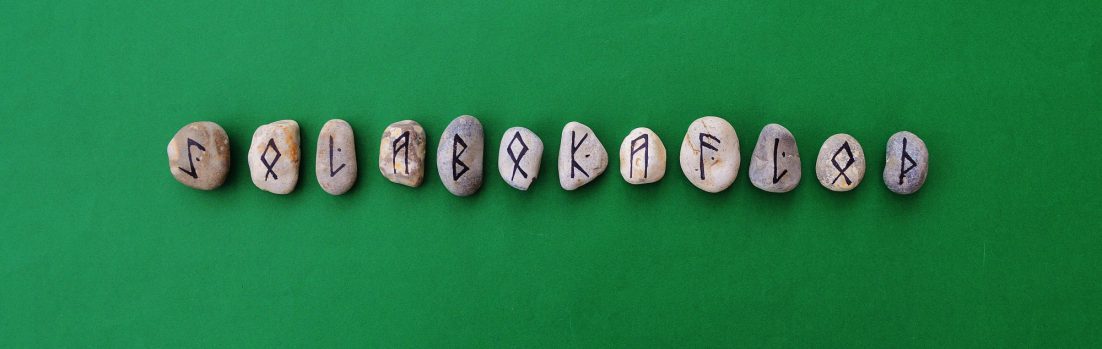
 Jolabokaflod