
What is the origin story of Caga Tió?
Caga Tió, also known as the “Christmas Log” or “Pooping Log,” is a unique and whimsical Christmas tradition from Catalonia, a region in north-eastern Spain. The tradition is centred around a wooden log with a painted face and legs, often adorned with a red hat. Here’s the origin story and some interesting anecdotes about Caga Tió and how this tradition is used to celebrate Christmas:
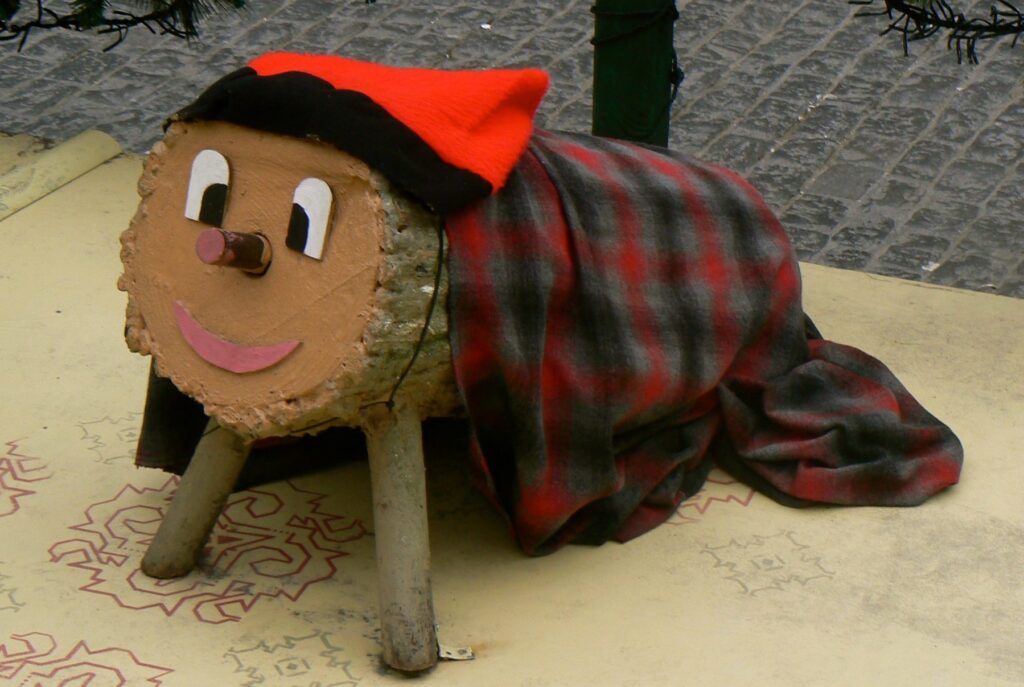
- Pagan origins: The origins of Caga Tió are believed to be rooted in ancient pagan traditions, particularly in the Catalan region. It was originally a symbol of fecundity and agricultural fertility, representing the idea of receiving good fortune and prosperity in the coming year.
- Christian incorporation: As with many folk traditions, Caga Tió was later incorporated into Christian celebrations at Christmas, much like other customs in Catalonia. The custom became associated with the Christmas season – its symbolism shifted towards the concepts of sharing and generosity.
Interesting anecdotes about Caga Tió
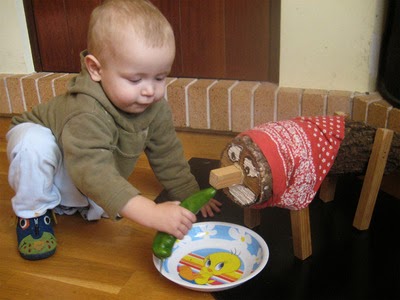
- Feeding and caring for Caga Tió: In the days leading up to Christmas, families in Catalonia “feed” Caga Tió by placing small gifts, candies, and nuts under its blanket or by covering it with a piece of cloth. Children are often encouraged to take care of Caga Tió and ensure it stays warm and well-fed.
- Caga Tió song: During the Christmas celebration, family members gather around Caga Tió and sing a traditional song called “Caga Tió.” The song typically includes humorous and playful lyrics about coaxing Caga Tió to “defecate” presents.
- The beating of Caga Tió: The climax of the celebration occurs when children “beat” Caga Tió with sticks while singing the song. The beating is symbolic and gentle, more akin to tapping than actual violence. This action is believed to help Caga Tió “release” its presents.
- What Caga Tió “excretes”: After the song and beating, children reach under the blanket or cloth to find the gifts and treats that Caga Tió has “excreted.” These gifts are usually small toys, turron (nougat candies) and sometimes even coins.
- Caga Tió‘s final “excretion”: The tradition concludes when Caga Tió “defecates” the last and biggest gift, often a figurine or a salted herring, representing the grand finale of the celebration.
- Variations of Caga Tió: While the basic concept of Caga Tió remains the same, there are regional variations and differences in how the tradition is practised within Catalonia.
- Modern adaptations: In modern times, Caga Tió has evolved, and commercial versions of the log are available. Some families still make their own traditional Caga Tió logs, while others purchase ready-made ones.
- Caga Tió in popular culture: Caga Tió has made appearances in popular culture and entertainment in Catalonia and beyond. It is often featured in Christmas displays, advertisements, and events.

In a nutshell
Caga Tió is a lighthearted and distinctive Christmas tradition that adds a touch of whimsy to the holiday season in Catalonia. It encourages family togetherness and reinforces the spirit of giving and sharing, while also connecting with the region’s rich cultural heritage and history.
Coda
In these DALL-E 3 images, the Yule Lads are in Catalonia for Christmas, feeding and beating Caga Tió so that it poops candies and presents. The Lads are depicted in a Catalan/Icelandic hybrid interior location.


 Jolabokaflod