
What is the origin story of Krampus?
Krampus is a folklore character with roots in Central European and Alpine traditions, particularly in Austria, Bavaria, and other German-speaking regions. Unlike Santa Claus, who rewards good children with gifts, Krampus is a dark and sinister figure who punishes naughty children during the Christmas season. Here’s the origin story and some interesting anecdotes about Krampus and how this character is used to celebrate Christmas around the world:
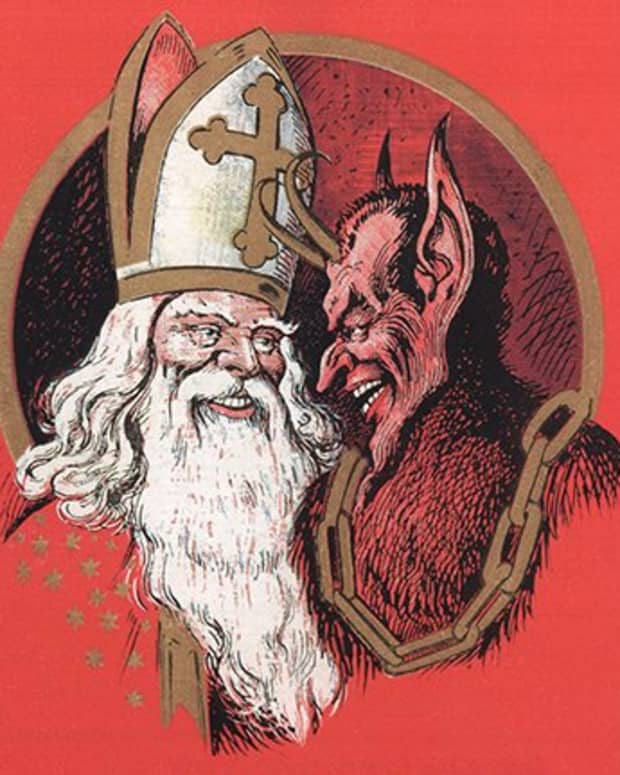
- Pagan origins: Krampus’ origins can be traced back to pre-Christian pagan beliefs in the Alpine regions of Europe. In these areas, it was believed that during the winter solstice, evil spirits roamed the earth, and people performed rituals to drive them away.
- Christian adaptation: With the spread of Christianity, many pagan traditions were incorporated into Christian holidays. Krampus became associated with St Nicholas, who rewarded good children and punished the bad. The date 6th December, known as St Nicholas Day, became the occasion when Krampus would visit homes.
Interesting anecdotes about Krampus
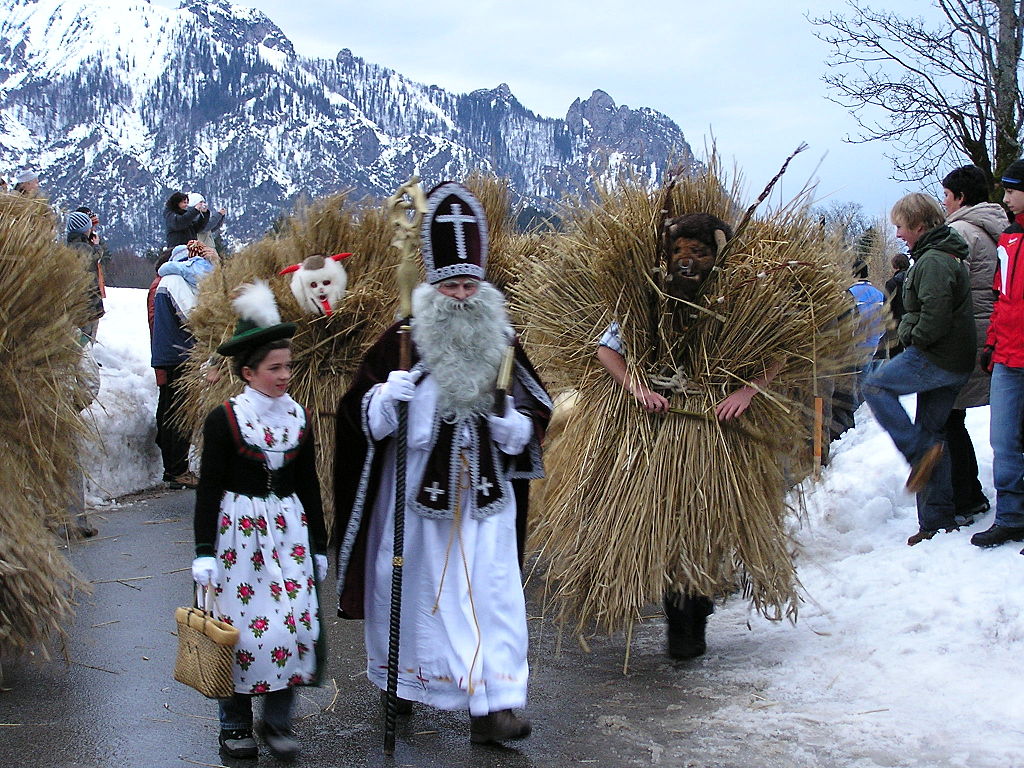
- Krampusnacht: On the night of 5th December, known as Krampusnacht, people in Alpine regions dress up as Krampus and roam the streets, scaring children and adults alike. In some places, parades featuring elaborate Krampus costumes are held.
- Krampuslauf: “Krampuslauf” refers to Krampus runs or processions that take place in various Austrian and German towns. Participants dress as Krampus and roam the streets, often engaging in mock confrontations with spectators. These events have gained popularity and are now attended by tourists.
- Krampus cards: In the early 20th century, greeting cards featuring Krampus, known as Krampuskarten, became popular in Austria and Bavaria. These cards often depicted Krampus frightening children and included humorous or rhyming verses.
- Austrian folklore: In Austrian folklore, Krampus is sometimes accompanied by a counterpart known as “Perchten,” who are female creatures that represent the wild and untamed aspects of nature. The Perchten also participate in processions and festivities during the holiday season.
- Modern pop culture: Krampus has made appearances in modern pop culture, including movies, television shows, and even a dedicated “Krampusnacht” event at Universal Studios’ Halloween Horror Nights.
- Krampuslauf in the United States: In recent years, Krampus-themed events and parades have gained popularity in the United States. Cities like Los Angeles and Philadelphia host Krampus-themed runs and festivals.
- Krampusnacht celebrations: Some people have embraced Krampusnacht as a playful and slightly subversive alternative to traditional Christmas celebrations. It’s a time to dress up as Krampus, indulge in dark humour, and celebrate the darker side of the holiday season.
- Krampus’ punishments: In the legend, Krampus is often depicted carrying chains and a bundle of birch branches, which he uses to swat and whip naughty children. In some traditions, he might also stuff misbehaving children into his sack and carry them away.

In a nutshell
Krampus adds a unique and slightly eerie dimension to the Christmas season in certain European cultures. While he may be a fearsome character, he also serves as a reminder to children to behave and a source of entertainment for those who embrace the tradition of Krampusnacht.
Coda
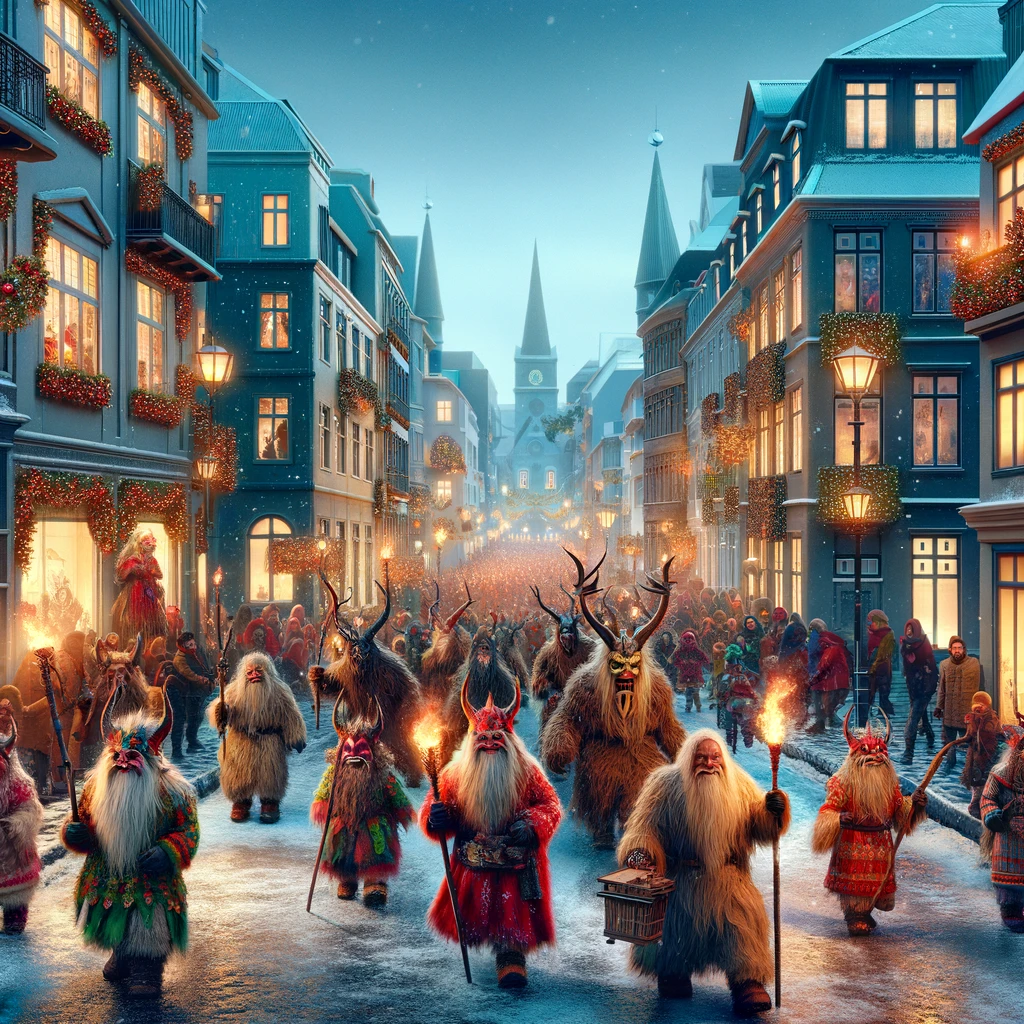
In these hypothetical tableaux, DALL-E 3 images the Yule Lads taking part in a Krampusnacht procession taking place in a street in Reykjavík, the capital of Iceland.

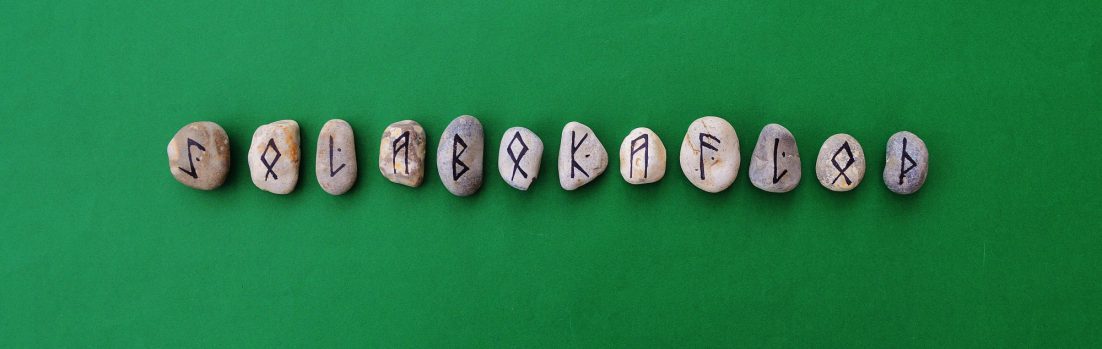
 Jolabokaflod