
Jolabokaflod

Christmas Book Flood • Reading for Pleasure


Leave a comment

Christmas traditions (Advent calendar, Day 16)

What is the origin story of eggnog?
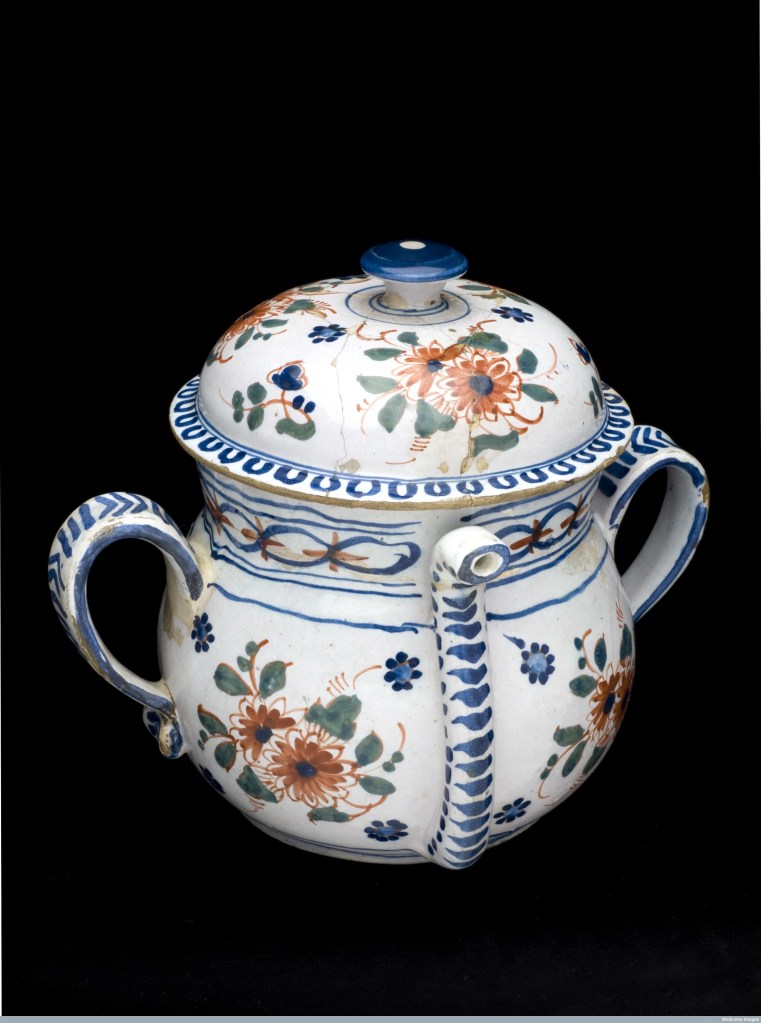
Posset pot with lid, England, 1701-1800. (Wellcome Trust)

Eggnog is a rich and creamy beverage associated with the Christmas season, particularly in the United States and Canada. Its origins can be traced back to medieval Europe, where “posset” was a popular drink made with hot milk, eggs, and ale or wine. Here’s the origin story and some interesting anecdotes about eggnog and how this tradition is used to celebrate Christmas around the world:

  • Medieval origins: The predecessor to eggnog, posset, was a warm, spiced drink made with milk curdled with ale or wine. It was often sweetened and flavoured with spices like nutmeg and cinnamon. Posset was commonly consumed in medieval England.
  • Eggnog in America: Eggnog as we know it today evolved in the American colonies in the 18th century. The name “eggnog” likely comes from “nog,” which was a term for a strong ale. Early American settlers adapted the posset recipe, substituting ale or wine with rum or brandy, which were more readily available.
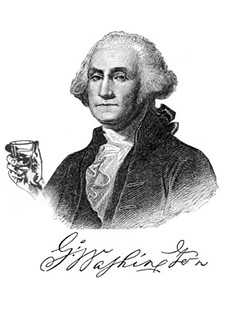
George Washington with drink in hand (Chelsea Wine Co.)

Interesting anecdotes about eggnog

  • Colonial America: Eggnog became a popular holiday drink in colonial America, where it was often made with rum, brandy, or whiskey. It was considered a festive and warming drink, especially during the cold winter months.
  • George Washington’s recipe: It is said that George Washington, the first President of the United States, had his own special recipe for eggnog. His version included rye whiskey, rum and sherry, along with the traditional ingredients of eggs, milk, sugar and nutmeg.
  • Christmas tradition: In the United States and Canada, eggnog is closely associated with Christmas and is often served at holiday gatherings, parties and festivities. Commercially produced eggnog is widely available during the holiday season.
  • Recipe variations: While traditional eggnog recipes include alcohol, non-alcoholic versions are also popular, making the drink suitable for people of all ages. Some variations include bourbon, brandy or cognac.
  • Cultural variations: Eggnog-inspired drinks and beverages are enjoyed in various forms around the world. In Puerto Rico, “Coquito” is a holiday drink made with coconut cream, condensed milk, rum, and spices. In Mexico, “Rompope” is a similar drink made with rum, eggs, milk and vanilla.
  • Eggnog lattes and flavours: In recent years, eggnog flavours have expanded beyond the traditional beverage. Eggnog lattes, ice cream, and even eggnog-flavoured cookies and desserts have become popular during the holiday season.
  • National Eggnog Day: National Eggnog Day is observed on 24 December in the United States, just in time for Christmas Eve celebrations.
  • Eggnog traditions around the world: While eggnog itself is not a widespread tradition outside of North America, similar creamy, spiced drinks can be found in various cultures. These beverages often have regional names and ingredients but share a common theme of warmth and festivity during the holiday season.
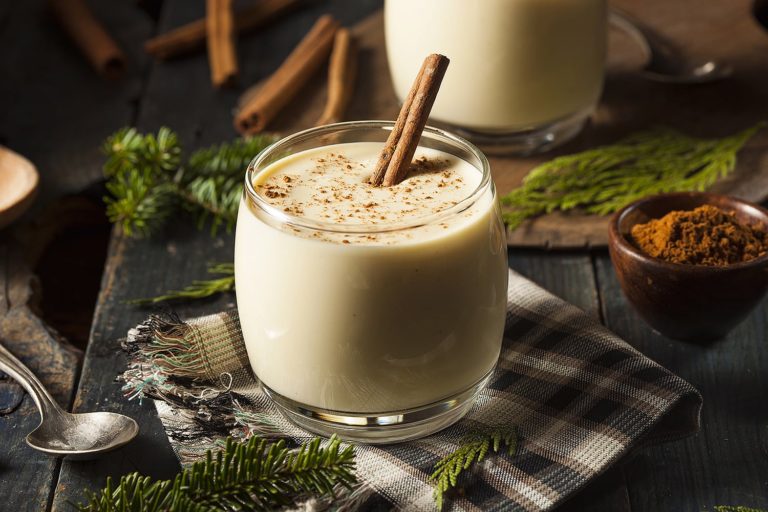
Eggnog (Trinkreif.de)

In a nutshell

Eggnog remains a beloved and indulgent holiday treat, bringing warmth and cheer to Christmas celebrations in North America. Whether enjoyed with or without alcohol, it continues to be a festive tradition that evokes feelings of comfort and nostalgia during the holiday season.

Coda

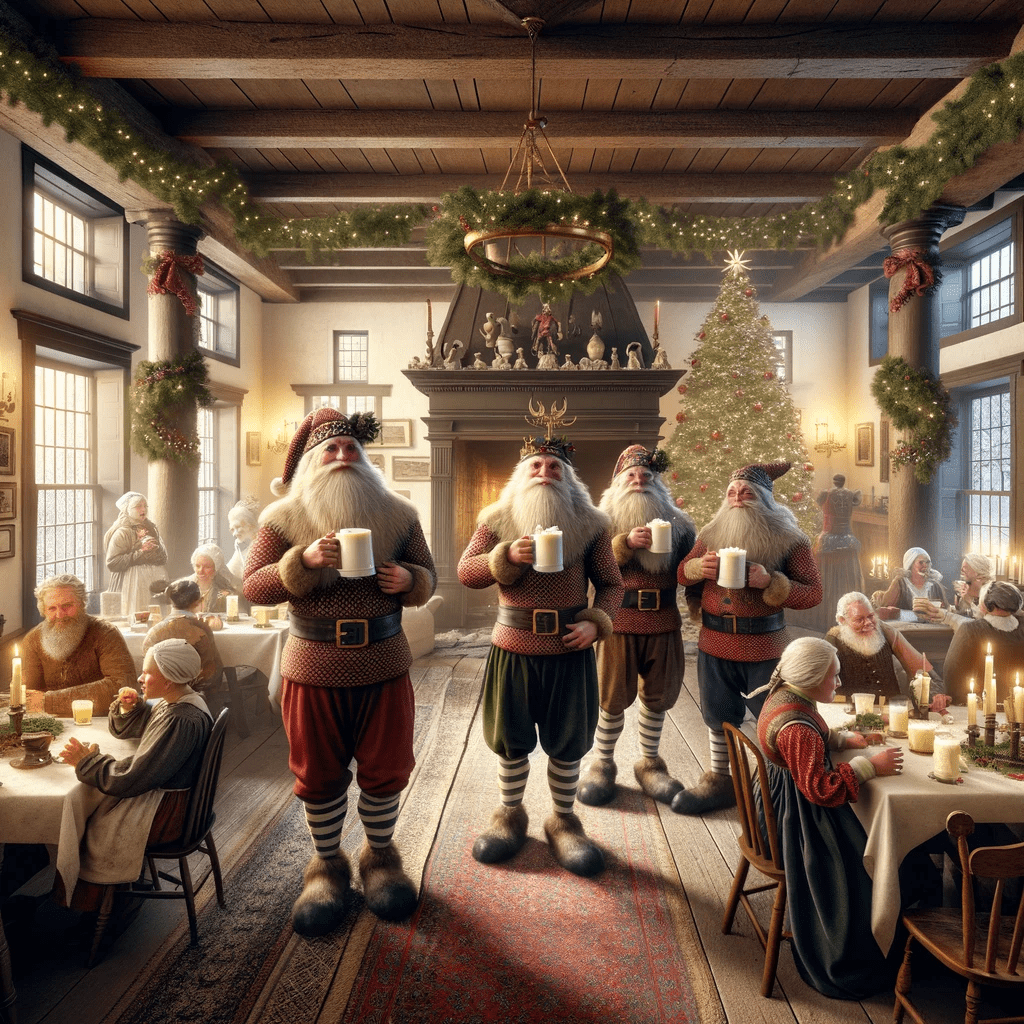
The Yule Lads are depicted by DALL-E 3 as drinking eggnog at a Christmas party or social gathering in Colonnial-era America.


Leave a comment

Christmas traditions (Advent calendar, Day 10)

What is the origin story of carolling?

Carolling, or carol singing, is a cherished Christmas tradition with deep historical roots. It involves groups of people, known as carollers, singing festive songs and hymns, often going door to door or performing in public spaces during the holiday season. Here’s the origin story and some interesting anecdotes about caroling and how it is used to celebrate Christmas around the world:

Medieval carolling
  • Medieval origins: The tradition of carolling can be traced back to medieval Europe. During the Middle Ages, traveling minstrels and musicians would go from village to village, singing songs and spreading news and entertainment. Some of these songs were religious in nature and related to Christmas.
  • Carols as a form of worship: The word “carol” originally referred to a circle dance, but it eventually came to signify a festive song or hymn. Carols were used in both religious and secular contexts, with some being specifically associated with Christmas.
  • Early Christmas carols: Early Christmas carols were primarily religious and focused on the Nativity story. They were sung in churches and homes as part of Christmas worship and festivities.

Interesting anecdotes about carolling

Historical re-enactment of Victorian carol singing
  • St Francis of Assisi: St Francis of Assisi is often credited with popularizing the singing of Christmas carols in church services during the 13th century. He encouraged the use of carols in religious celebrations to make the Nativity story more accessible to ordinary people.
  • Banning of carols: During the Protestant Reformation in the 16th and 17th centuries, many Christmas customs, including carol singing, were banned in some regions. However, the tradition persisted, and carolling experienced a revival in the Victorian era.
  • Carol revival in the Victorian era: In the 19th century, the Victorian era saw a resurgence of interest in Christmas traditions, including carolling. Many famous carols that we still sing today, such as “O Holy Night” and “Silent Night,” were written during this period.
  • “Good King Wenceslas”: The popular Christmas carol “Good King Wenceslas” tells the story of a kind-hearted king who goes out on the Feast of Stephen (26 December) to help a poor man. The carol was based on the historical figure of King Wenceslaus I of Bohemia.
  • Diverse repertoire: Over the centuries, carollers have sung a wide range of Christmas songs, from traditional religious carols like “O Come, All Ye Faithful” to secular classics like “Jingle Bells.”
  • Carolling around the world: Carolling is a global tradition, with variations in different countries. In England, carolers often go door to door and are rewarded with treats or donations. In Latin American countries, “Posadas” involve processions and carol singing to re-enact Mary and Joseph’s search for lodging.
  • Carolling for charity: In many places, carolling is used as a way to raise money for charity during the Christmas season. Carollers may sing in public spaces or go door to door, collecting donations for a worthy cause.
  • Record for carolling: In 2018, a group of carollers in the UK set a Guinness World Record for the largest group of carol singers, with over 15,000 participants.
  • Modern carolling: In the digital age, carolling has adapted to new technologies. Virtual carolling events, where people sing together over video calls, became popular during the Covid-19 pandemic.
Virtual carol singing over Zoom during the Covid-19 pandemic

In a nutshell

Carolling continues to be a beloved Christmas tradition, fostering a sense of community and spreading holiday cheer. Whether performed by professional choirs, church groups, or enthusiastic neighbors, carolling brings people together to celebrate the joyous spirit of Christmas through music and song.

Coda

In these fantasy tableaux, the Yule Lads sing carols in the street outside a house in Reykjavík, the capital of Iceland.