
What is the origin story of mistletoe‘s role at Christmas?
Mistletoe, a symbol of love, fertility, and renewal, has a rich history dating back to ancient times. Here’s the origin story of mistletoe and how it became associated with Christmas:

- Ancient origins: Mistletoe was revered by various ancient cultures, including the Druids of the British Isles, the Norse, and the Greeks. It was considered a magical plant due to its ability to grow high in trees without apparent roots.
- Druidic rituals: The Druids, Celtic religious leaders, considered mistletoe a sacred plant. During the winter solstice, they would climb oak trees to harvest mistletoe with a golden sickle, believing it had healing properties and could bring good luck.
- Norse mythology: In Norse mythology, the mistletoe was associated with the goddess Frigg. The story of Balder, the god of light and purity, involves mistletoe. He was killed with an arrow made of mistletoe, which had been overlooked in Frigg’s attempt to make everything in the world promise not to harm him. Balder’s death brought tears of sorrow from Frigg, and she declared mistletoe a symbol of love and peace.
- Christian adoption: As Christianity spread across Europe, some of the traditions associated with mistletoe were incorporated into Christmas celebrations. Mistletoe’s evergreen nature and associations with renewal and love made it a fitting symbol for the Christmas season.
- Kissing under the mistletoe: The tradition of kissing under the mistletoe likely has multiple sources. One theory is that it originated from the Norse myth of Balder, where the mistletoe became a symbol of love and reconciliation after the tragic event. Another theory is that it evolved from British and Celtic customs of using mistletoe in marriage ceremonies.
Interesting anecdotes about mistletoe

- Kissing tradition: The custom of kissing under the mistletoe is one of the most enduring and popular Christmas traditions associated with mistletoe. According to the tradition, when two people stand beneath the mistletoe, they are supposed to share a kiss. It’s considered bad luck to refuse a kiss under the mistletoe.
- Mistletoe as a parasite: Mistletoe is a semi-parasitic plant that grows on the branches of trees, drawing nutrients from its host. While it can harm its host tree, it also provides food and shelter for birds and insects.
- Mistletoe varieties: There are several species of mistletoe, but the one most commonly associated with Christmas is European mistletoe (Viscum album). It has distinctive pairs of evergreen leaves and white berries.
- Medicinal uses: In traditional folk medicine, mistletoe was used for various medicinal purposes, though it can be toxic if ingested in large quantities. Today, it is sometimes used in complementary and alternative medicine for its potential anti-cancer properties.
- Mistletoe in art and literature: Mistletoe has been featured in numerous works of art, literature, and folklore throughout history, often as a symbol of love, renewal, and protection.
- Christmas decorations: Mistletoe is commonly used as a decoration during the Christmas season. It can be found in wreaths, garlands, and as standalone decorations in homes and public spaces.
- Mistletoe markets: In some regions, especially in Europe, there are Christmas markets where mistletoe is sold along with other holiday decorations.
- Mistletoe removal: In some parts of the world, there are organized mistletoe removal programs to protect trees from the potential harm caused by mistletoe growth.

In a nutshell
Mistletoe’s role in Christmas celebrations reflects its rich history and the blending of cultural traditions over time. Today, it remains a beloved symbol of love, renewal, and goodwill during the holiday season.
Coda
Here are the Yule Lads, according to DALL-E 3’s imagination, collecting mistletoe from trees in a mythical Icelandic landscape, ready to leave sprigs in houses when they pay their visits over the Christmas period.


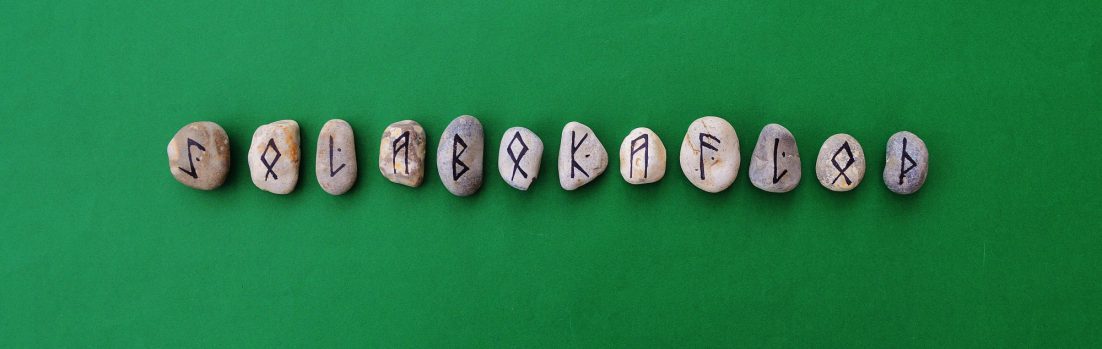
 Jolabokaflod