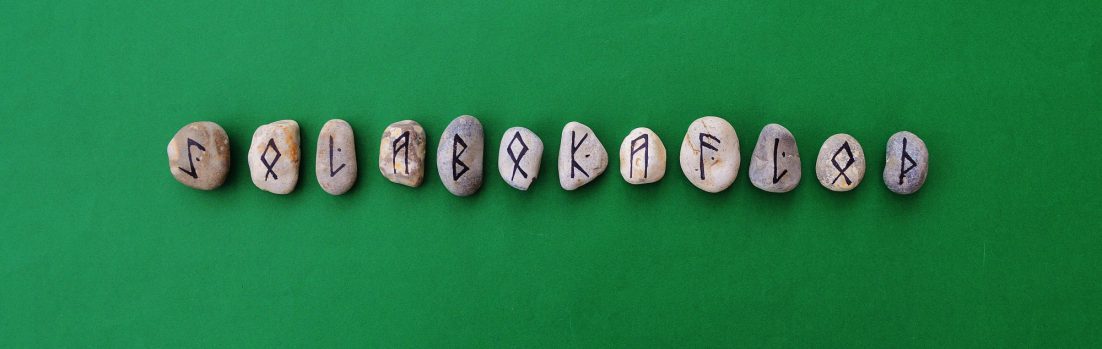
Jolabokaflod

Christmas Book Flood • Reading for Pleasure


Leave a comment

Christmas traditions (Advent calendar, Day 19)

What is the origin story of Christmas wreaths?

Wreath crown, Roman mosaic (Wikipedia)

The tradition of using wreaths during the Christmas season has ancient roots that date back to pagan times. Wreaths, circular in shape, have always symbolised eternity and the cycle of life. As Christianity spread across Europe, wreaths were adapted for use in festive celebrations, incorporating Christian symbolism. Here’s the origin story and some interesting anecdotes about Christmas wreaths and how this tradition is used to celebrate Christmas around the world:

  • Pagan origins: The use of wreaths as decorative elements predates Christianity. In ancient Rome, for example, wreaths of evergreen foliage, such as laurel and holly, were worn as crowns during festivals and celebrations, including the winter solstice.
  • Adaptation for Christmas: As Christianity gained prominence in Europe, wreaths began to be associated with Christmas. The circular shape of the wreath came to mean the eternity of God’s love, with no beginning or end. The evergreen foliage used in wreaths symbolised life and hope.

Interesting anecdotes about Christmas wreaths

Advent wreath (Catholic Supply of St. Louis, Inc.)
  • Advent wreaths: In Christian tradition, the Advent wreath is a significant symbol of the Advent season, which begins on the fourth Sunday before Christmas. Advent wreaths typically consist of a circular evergreen wreath with four candles, one for each Sunday of Advent. Each candle is lit on its respective Sunday to mark the countdown to Christmas.
  • Candles and colours: The Advent wreath candles are often three purple or blue candles, representing penance and preparation, and one pink or rose candle, symbolising joy. A white centre candle, called the Christ candle, is lit on Christmas Eve or Christmas Day to represent the birth of Jesus.
  • Decorative elements: Christmas wreaths are typically adorned with various decorative elements, such as red ribbons, pinecones, ornaments, and artificial berries. These elements add colour and festive flair to the wreaths.
  • Welcoming symbol: In many cultures, the Christmas wreath is placed on the front door or displayed in windows as a symbol of welcome and hospitality. It is a way to greet visitors and share the joy of the season.
  • Wreath-making: Making or decorating Christmas wreaths is a popular holiday craft activity. Many families and communities gather to create their own wreaths, customising them with personal touches.
  • Global variations: While the basic concept of the Christmas wreath is consistent, different cultures and regions may have unique variations and customs associated with wreath-making and display.
  • Outdoor decorations: In some regions with colder climates, Christmas wreaths may be placed outdoors to withstand the winter weather. They are often adorned with lights and serve as festive outdoor decorations.
  • Holiday markets: Christmas wreaths are commonly sold at holiday markets and craft fairs, where they are available in various sizes and styles to suit individual preferences.
  • Memorial wreaths: In addition to festive wreaths, there are also memorial wreaths that are used to honour and remember loved ones during the holiday season. These wreaths may be displayed at cemeteries or other meaningful locations.
Door wreath (Mano Mano)

In a nutshell

Christmas wreaths, with their timeless symbolism and versatility, continue to be an integral part of Christmas celebrations worldwide. They bring beauty, warmth, and a sense of tradition to homes and communities during the holiday season, serving as a visual reminder of the spirit of Christmas.

Coda

Today, DALL-E 3 has imagined the Yule Lads inside an Icelandic home, lighting a candle on an Advent wreath for Christmas.


Leave a comment

Christmas traditions (Advent calendar, Day 17)

What is the origin story of Christingle?

Christingle is a Christmas tradition that originated in Germany and has spread to various parts of the world, particularly in Europe and some English-speaking countries. The word “Christingle” is derived from the German word “Christkindl,” which means “Christ Child.” The tradition revolves around a symbolic representation of Christ and serves as a way to celebrate and teach the Christmas story. Here’s the origin story and some interesting anecdotes about Christingle and how this tradition is used to celebrate Christmas around the world.

Christmas service in a Moravian church
  • Origins in Germany: The Christingle tradition is believed to have originated in the Moravian Church, a Protestant denomination with roots in the Czech Republic and Germany, in the 18th century. It was originally introduced as a way to teach children about the nativity story.
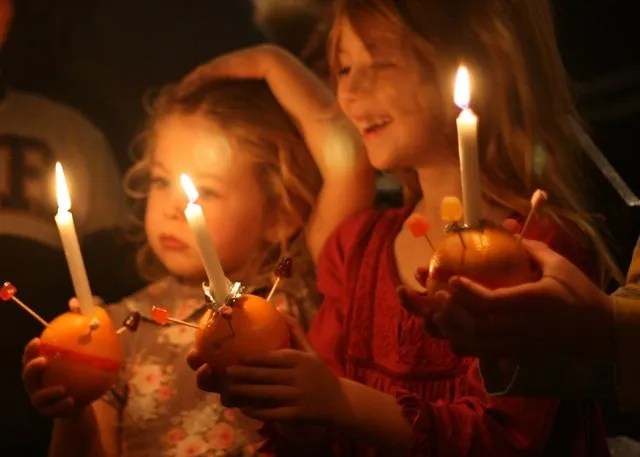
  • The Christingle object: The centrepiece of a Christingle celebration is a “Christingle object”, which is typically made from an orange. The orange represents the world, and various other elements are added to symbolize aspects of the Christian faith. Here are the components of a Christingle object:
    • Orange: This symbolises the Earth.
    • Red ribbon: This encircles the orange, symbolising the love and blood of Christ.
    • Candle: Placed in the centre of the orange, it represents Jesus as the light of the world.
    • Four cocktail sticks or toothpicks: These are inserted into the orange, with sweets or dried fruits attached to them, symbolising the four seasons and God’s creations.
    • Fruits or sweets: Attached to the cocktail sticks, these represent God’s blessings and the bounty of the earth.
A Christingle object

Interesting anecdotes about Christingle

  • Moravian connection: The Moravian Church played a significant role in popularising the Christingle tradition. They used it as a teaching tool to convey the Christmas story to children.
  • Adoption in Anglican tradition: The Christingle custom was introduced to the Church of England in the mid-20th century. It quickly gained popularity as a way to engage children in the Christmas message. It is now a common feature of Anglican Christmas celebrations in the United Kingdom.
  • Charitable aspect: Many Christingle services and events have a charitable component. Donations collected during Christingle services often go to organizations and causes that support children and families in need.
  • Interactive element: Christingle services are often interactive, with participants, especially children, involved in making their own Christingle objects during the service. This hands-on experience adds to the educational aspect of the tradition.
  • Alternative celebrations: In some countries, Christingle has become an alternative way to celebrate Christmas, especially for those who may not have a strong Christian background. The symbolism of Christ as the light of the world resonates with people seeking a message of hope and goodwill.
  • Variations worldwide: While the basic concept of Christingle remains the same, there are variations in how it is celebrated and the additional symbolism attached to it in different countries.
  • Continued relevance: Despite its historical origins, Christingle continues to be a meaningful and accessible way for people of all ages to engage with the Christmas story and reflect on the Christian faith during the holiday season.
Children in an Anglican Christingle service

In a nutshell

Christingle serves as a creative and symbolic way to convey the message of Christmas and is a beloved tradition in many churches and communities around the world. It combines visual and tactile elements to help people of all ages understand and celebrate the significance of Christ’s birth.

Coda

In these scenes, DALL-E imagines the Yule Lads making Christingle objects inside a church in a Moravian/Icelandic hybrid location.


Leave a comment

Christmas traditions (Advent calendar, Day 15)

What is the origin story of Christmas wafers?

Christmas wafers, also known as “Oplatki” in Polish, “Oblatky” in Slovak, and “Oblaten” in German, have their origins in Eastern and Central European countries, particularly Poland, Slovakia, and Germany. These thin, unleavened wafers have been used for centuries as part of Christmas traditions. Here’s the origin story and some interesting anecdotes about Christmas wafers and how this tradition is used to celebrate Christmas around the world:

Christmas wafers (Catholic Supply)
  • Religious origins: The tradition of using wafers during religious ceremonies dates back to medieval times in Europe. The wafers were initially used as a form of sacramental bread in the Christian Eucharist (Holy Communion).
  • Adaptation for Christmas: Over time, the use of wafers extended beyond the Eucharist and became incorporated into Christmas celebrations. The tradition evolved to include the sharing of wafers among family members and friends as a symbol of unity, forgiveness, and good wishes.

Interesting anecdotes about Christmas wafers

Sharing wafers at Christmas Eve dinner (The Catholic Company)
  • Oplatki in Poland: In Poland, the Christmas wafer is called “Oplatek.” It is usually a white, rectangular wafer embossed with religious symbols, such as Nativity scenes or depictions of the Holy Family. During the Christmas Eve supper (Wigilia), family members break off a piece of the wafer and share it with each other while offering good wishes and blessings for the coming year.
  • Slovakia and Germany: Similar traditions involving Christmas wafers exist in Slovakia and Germany, where they are called “Oblatky” and “Oblaten,” respectively. In these countries, families and friends also exchange wafers during the Christmas season.
  • Communion connection: The use of wafers in Christmas traditions maintains a connection to their original religious purpose as sacramental bread. This connection reinforces the idea of sharing the Eucharist and the spiritual aspect of Christmas.
  • Personalised wafers: Some families choose to have personalised Christmas wafers made with custom designs, messages, or family names. These personalised wafers add a personal touch to the tradition.
  • Interfaith and intercultural exchange: In modern times, Christmas wafers have become a symbol of interfaith and intercultural exchange. Families from different backgrounds may exchange wafers as a sign of respect and unity during the holiday season.
  • Blessings and good wishes: Sharing Christmas wafers is accompanied by the exchange of blessings and good wishes for health, happiness, and prosperity in the coming year. It is a heartfelt moment of connection and reflection.
  • Continued tradition: Christmas wafers have stood the test of time and continue to be an integral part of Christmas celebrations in the regions where they are practiced. The tradition serves as a reminder of the importance of forgiveness, unity, and goodwill during the holiday season.
Sharing Christmas wafers with loved ones

In a nutshell

Christmas wafers represent a beautiful and meaningful tradition that bridges the religious and cultural aspects of the holiday season. They symbolise the importance of sharing, unity, and extending good wishes to loved ones and neighbours, making them a cherished part of Christmas celebrations in Eastern and Central Europe.

Coda

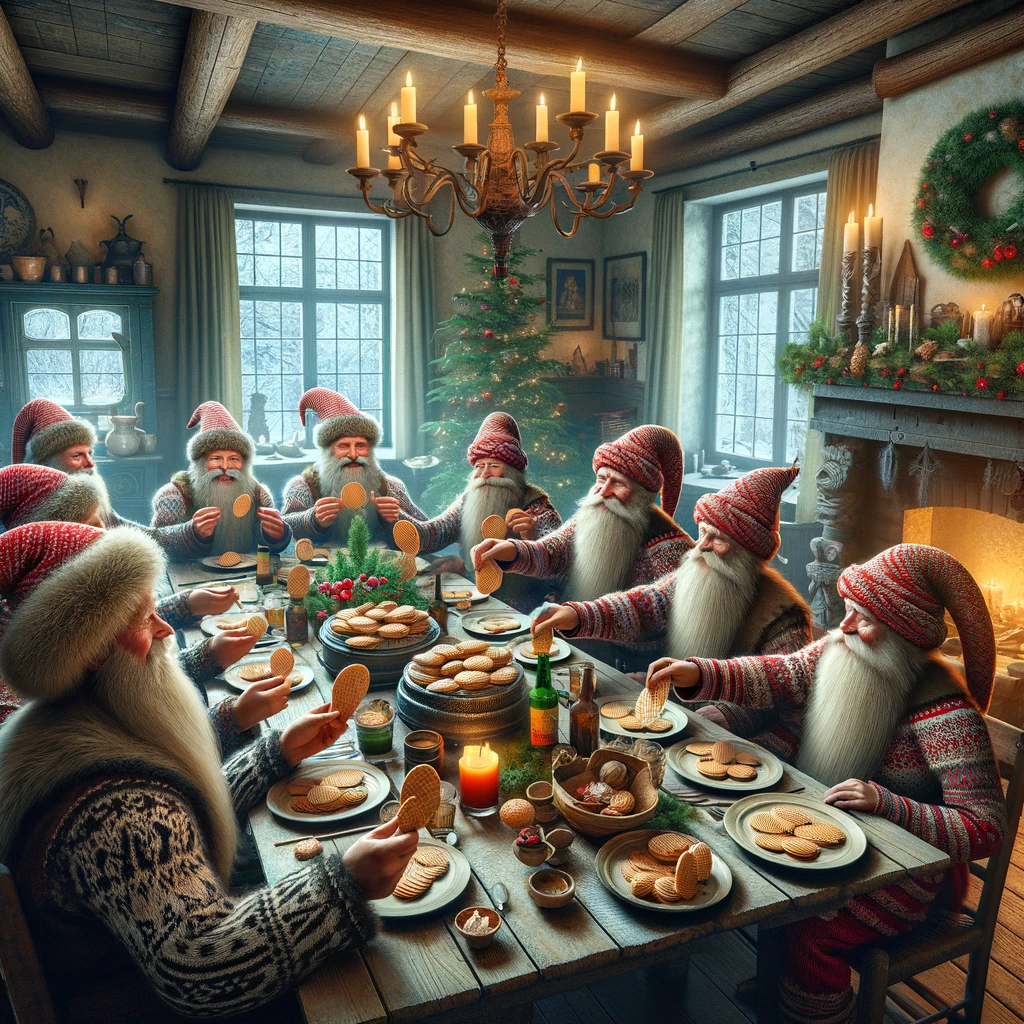
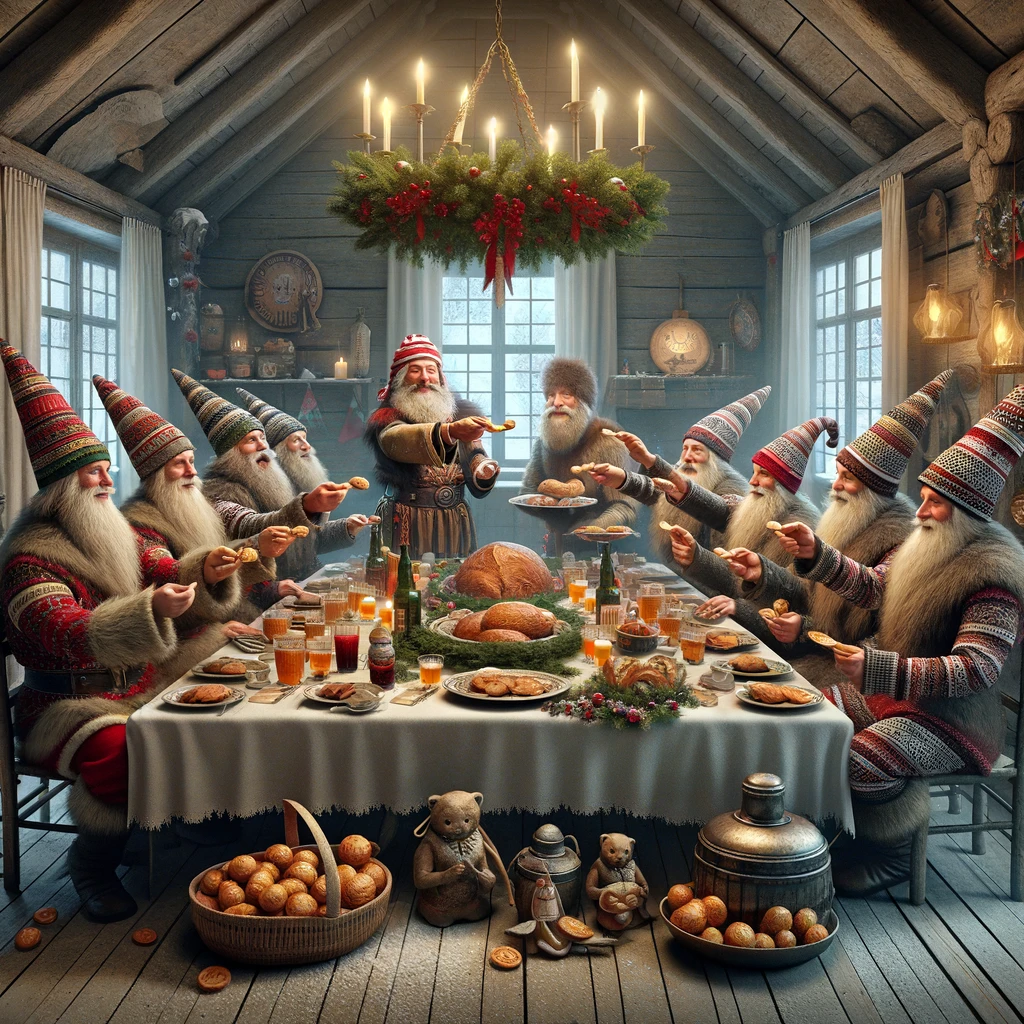
Today, I prompted DALL-E 3 to create a scene in which the Yule Lads are in Poland for Christmas, sharing Christmas wafers with each other while sitting around a table enjoying a special Christmas Eve meal of traditional Polish dishes. Here are the images that were created.


Leave a comment

Christmas traditions (Advent calendar, Day 13)

What is the origin story of Las Posadas?

Las Posadas is a traditional Christmas celebration primarily observed in Mexico and some other Latin American countries. The term “posada” means “inn” or “lodging” in Spanish, and the celebration reenacts Mary and Joseph’s search for a place to stay in Bethlehem before the birth of Jesus. Here’s the origin story and some interesting anecdotes about Las Posadas and how it is used to celebrate Christmas:

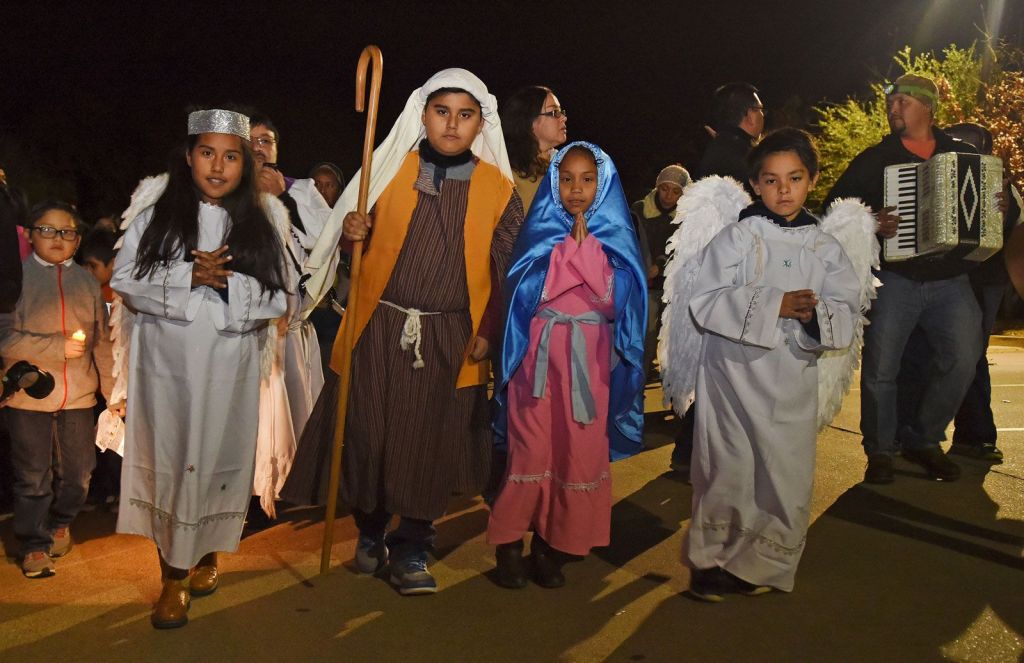
Children in a procession (Britannica)
  • Spanish influence: Las Posadas has its origins in the Spanish colonisation of Latin America. When Spanish missionaries arrived in the Americas in the 16th century, they sought to convert indigenous populations to Christianity. To make the religious teachings more accessible, they incorporated indigenous traditions into Christian rituals and celebrations.
  • Simulating Mary and Joseph’s journey: Las Posadas re-enacts the biblical journey of Mary and Joseph as they sought shelter in Bethlehem. Participants, often in costumes, form a procession that goes from house to house, representing the couple’s search for lodging. At each stop, they sing carols and request shelter, but they are usually turned away until they reach the final “inn.”

Interesting anecdotes about Las Posadas

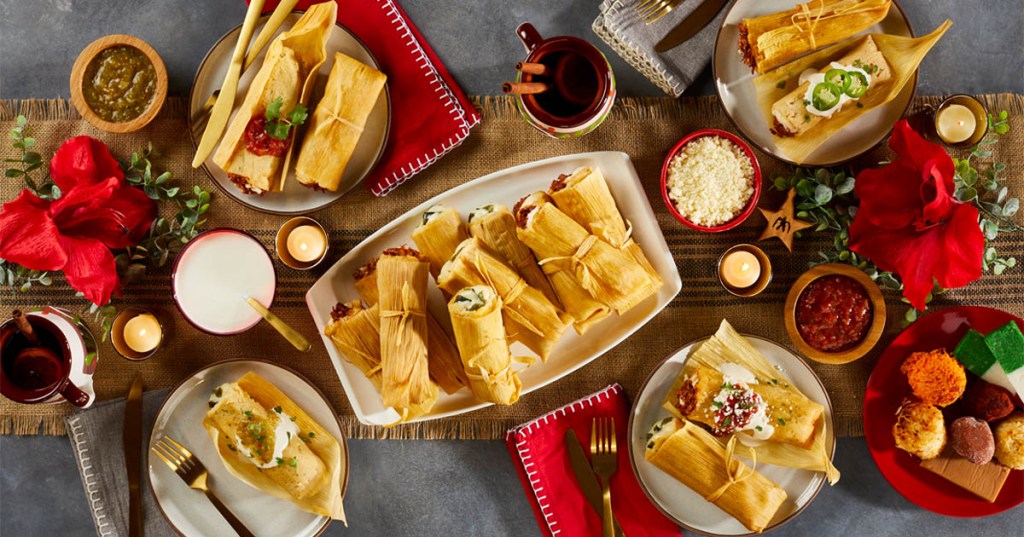
Traditional food and drink (Cacique Foods)
  • Duration of the celebration: Las Posadas typically begins on 16 December and continues for nine consecutive nights, culminating on 24 December, Christmas Eve. Each night’s procession is known as a “posada.”
  • Traditional songs: Special songs, known as “villancicos,” are sung during Las Posadas. These songs often include lyrics that reflect Mary and Joseph’s journey and their plea for lodging.
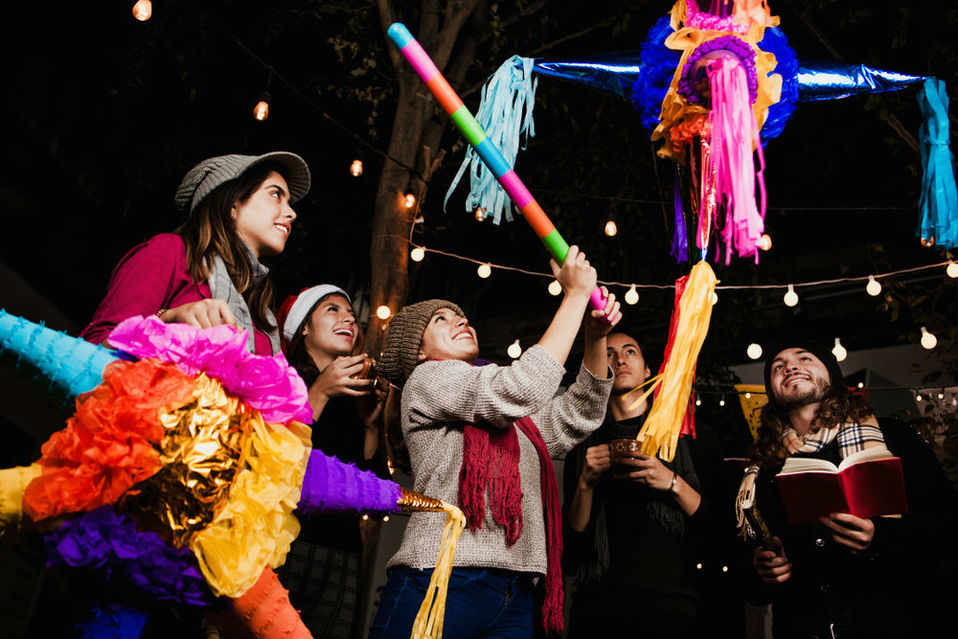
  • Piñatas: Piñatas are a common feature of Las Posadas celebrations. The traditional piñata represents the devil, and breaking it symbolizes overcoming evil. Piñatas are filled with candies and small toys that spill out when the piñata is broken.
  • Party and refreshments: After the final “inn” has accepted Mary and Joseph, a party often takes place, featuring traditional foods and drinks such as tamales, ponche (fruit punch), and atole (a warm, thick beverage made from masa or corn flour).
  • Religious significance: Las Posadas is not only a cultural celebration but also a religious one. It serves as a way for communities to come together to reflect on the nativity story and to prepare for the birth of Jesus on Christmas.
  • Community bonding: Las Posadas fosters a strong sense of community and togetherness. Neighbors and friends often participate in the processions and open their homes to fellow community members, reinforcing bonds and solidarity.
  • Variations in Latin America: While Las Posadas is most closely associated with Mexico, variations of the celebration exist in other Latin American countries, each with its unique customs and traditions.
  • Modern adaptations: In some urban areas, Las Posadas processions have taken on a more modern form, with participants riding in cars or buses rather than walking from house to house. However, the core elements of the celebration, including singing, prayer and fellowship remain intact.
Hitting a traditional piñata (Milenio)

In a nutshell

Las Posadas is a meaningful and festive Christmas tradition that combines cultural heritage with religious devotion. It serves as a way for communities to come together, reflect on the nativity story, and prepare for the joyous celebration of the birth of Jesus.

Coda

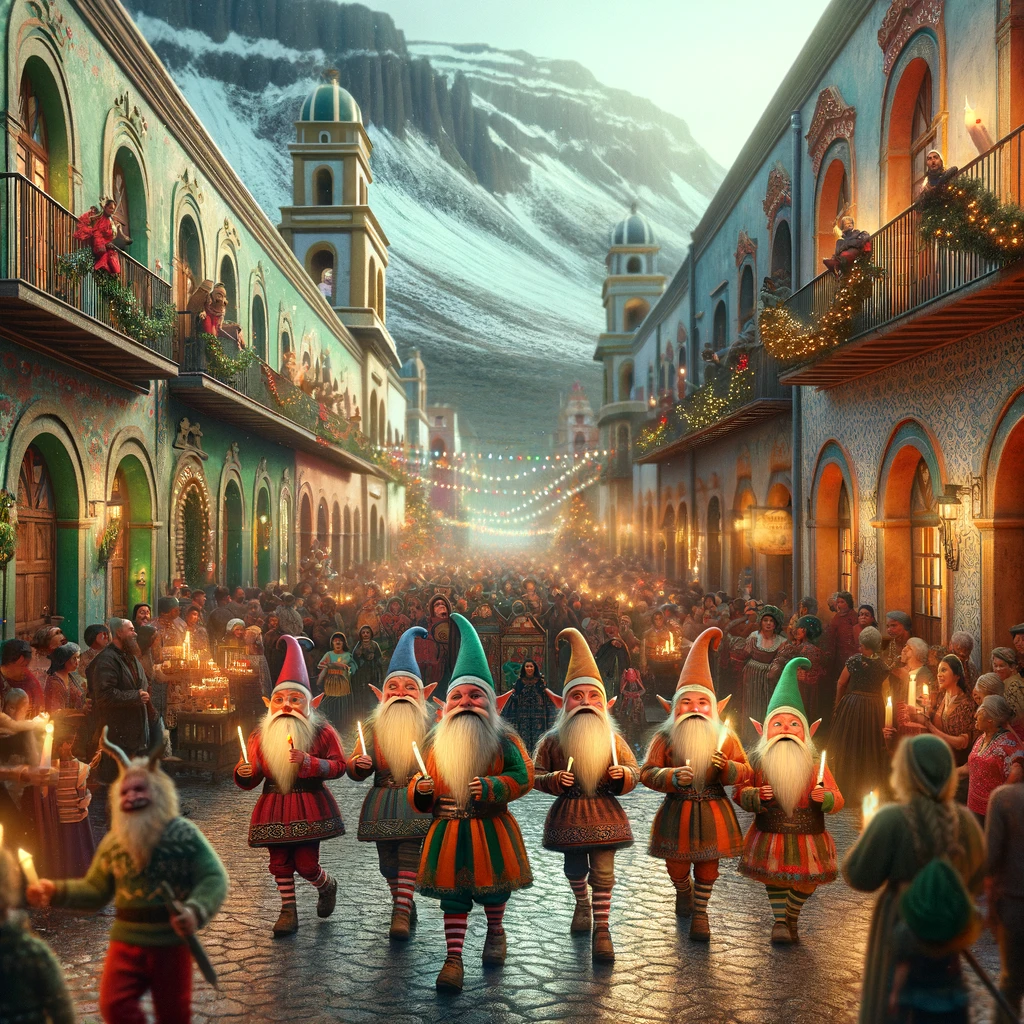
Today’s prompt allowed DALL-3 to really flex its muscles. I asked the image AI generator to show the Yule Lads in Mexico for Christmas, taking part in a Las Posadas street procession where a few of the Lads are hitting a traditional piñata. I requested a backdrop of a Mexican/Icelandic hybrid landscape in a village. Here are the results.