Jolabokaflod

Christmas Book Flood • Reading for Pleasure


Leave a comment

Christmas traditions (Christmas Day)

What is the origin story of the Christmas Boat Procession in Venice?

The Christmas Boat Procession in Venice, known as “La Festa di San Nicolò,” is a unique and centuries-old tradition in the city. While it may not be as well-known as some other Christmas traditions, it has a rich history rooted in the maritime culture of Venice. Here’s the origin story and some interesting anecdotes about the Christmas Boat Procession in Venice and how this tradition is used to celebrate Christmas:
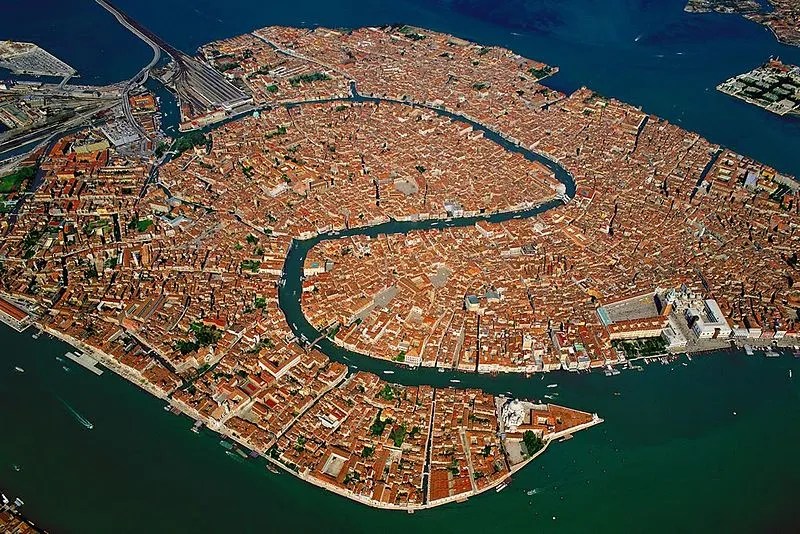
Aerial view of Venice, Italy
  • Historical maritime city: Venice, Italy, is a city built on islands in a lagoon, and its history and culture are closely tied to the sea. Venice has a strong maritime tradition, and waterways are a central part of the city’s identity.
  • Patron Saint: San Nicolò (Saint Nicholas) is the patron saint of Venice and has a special place in the hearts of Venetians. Saint Nicholas is also the patron saint of sailors, making him particularly significant in a city that relied on maritime trade.

Interesting anecdotes about the Christmas Boat Procession

San Nicolò di Lido, Venice
  • The tradition: The Christmas Boat Procession in Venice is an annual event that takes place on 6 December, which is the feast day of San Nicolò. It typically includes a procession of boats, gondolas, and other watercraft adorned with festive decorations, lights, and nativity scenes.
  • Statue of San Nicolò: A statue of San Nicolò is central to the procession. The statue, often housed in the church of San Nicolò di Lido, is brought out and placed on a boat for a ceremonial voyage around the Venetian lagoon. The statue represents the saint’s protection of sailors and the city.
  • Nativity scenes: Many of the boats in the procession carry elaborate nativity scenes, adding a religious and festive element to the event. These nativity scenes are often beautifully crafted and illuminated.
  • Lighted candles: Participants in the procession typically carry lighted candles, creating a stunning visual spectacle as they glide along the city’s canals and lagoon. The flickering candlelight adds to the enchanting atmosphere.
  • Historic significance: The Christmas Boat Procession in Venice has been taking place for centuries and is a testament to the city’s rich maritime history and devotion to its patron saint, San Nicolò.
  • Community involvement: The procession involves not only religious institutions but also local communities, boat owners, and residents of Venice who come together to celebrate and participate in this cherished tradition.
  • Unique Venetian experience: The Christmas Boat Procession is a unique way to experience Venice during the holiday season. It provides a different perspective of the city, as it takes place on the water, away from the crowded streets and squares.
  • Cultural preservation: Efforts are made to preserve and pass on this tradition to future generations. It is a symbol of Venetian identity and a reminder of the city’s strong ties to the sea.
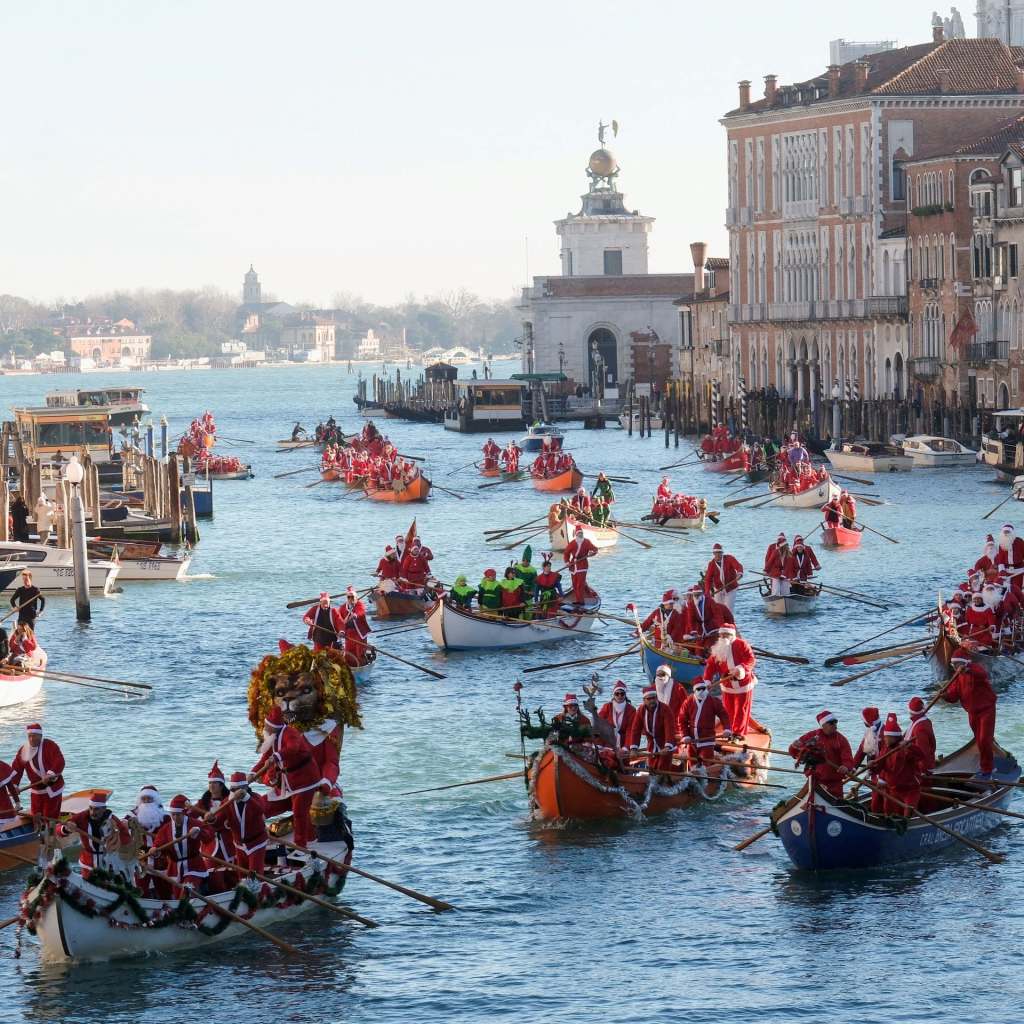
The Christmas Boat Procession, Venice

In a nutshell

The Christmas Boat Procession in Venice is a beautiful and culturally significant event that combines religious devotion, maritime heritage, and festive celebration. It offers locals and visitors alike a chance to experience the magic of Venice during the holiday season while honoring the patron saint of the city and its seafaring history.

Coda

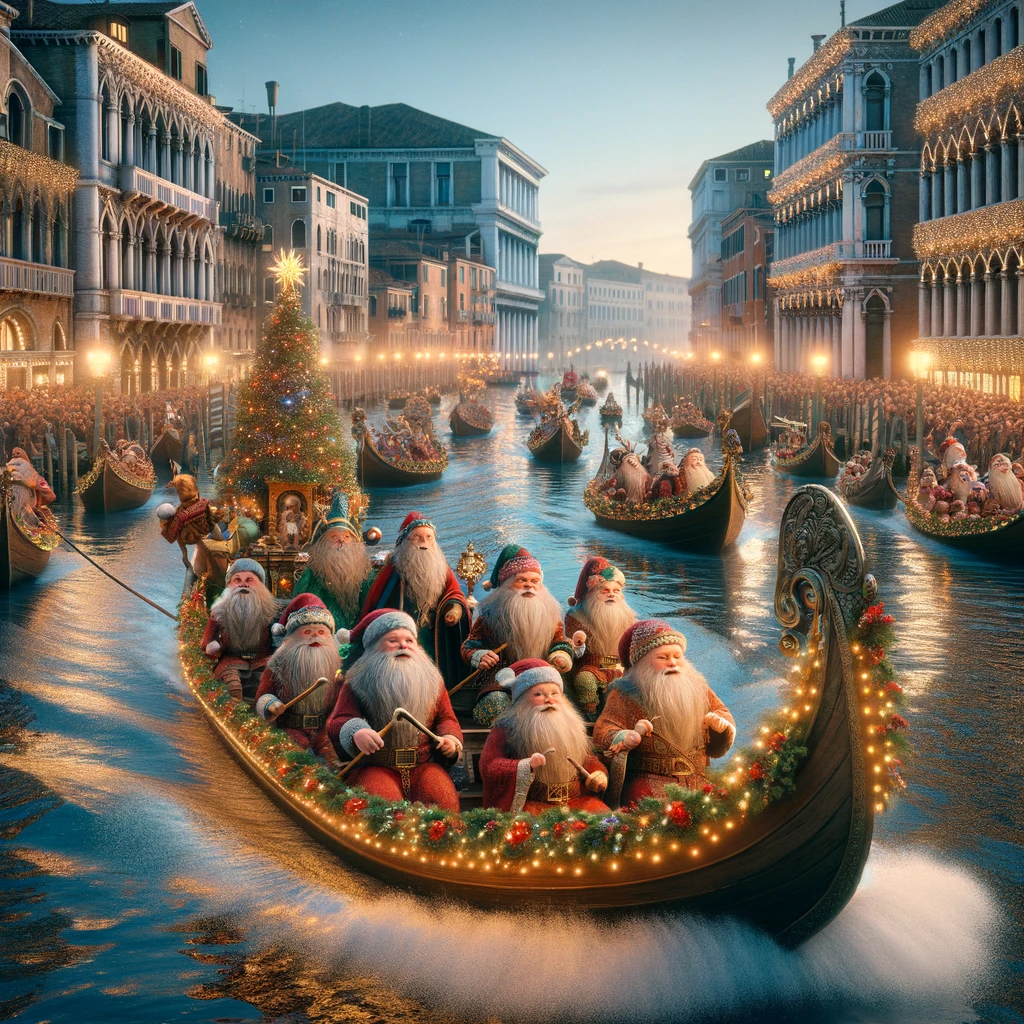
Here are the Yule Lads, imagined by DALL-E 3, taking part in the Christmas Boat Procession by sailing on a gondola on the Grand Canal in Venice, Italy.

Leave a comment

Christmas traditions (Advent calendar, Day 24)

What is the origin story of Santa Runs?

Santa Run in a park

Santa Runs, also known as Santa Dashes or Santa Fun Runs, are festive events that involve participants dressing up as Santa Claus and running a designated route, often for charitable purposes. While the specific origin of Santa Runs is not well-documented, they are part of a broader tradition of holiday-themed fun runs that have become popular worldwide. Here’s an overview of the origin and some interesting anecdotes about Santa Runs and how this tradition is used to celebrate Christmas:

  • Emergence of fun runs: Fun runs, which are non-competitive running events designed for enjoyment rather than competition, have been a popular activity in many countries for decades. These runs often have themes and costumes, and they are organized for various purposes, including charity fundraising.
  • Santa costume element: Santa Runs incorporate the festive and recognisable image of Santa Claus into the fun run concept. Participants don Santa Claus costumes, complete with red suits, white beards, and hats, as they run or walk the designated course.

Interesting anecdotes about Santa Runs

Runners in different Christmas costumes
  • Charitable fundraising: Many Santa Runs are organised as charity fundraisers, with participants required to register and pay a fee, a portion of which goes to support charitable causes. These events often raise money for local charities, food banks, or other community initiatives.
  • World records: Santa Runs have gained popularity as opportunities to set world records for the largest gathering of people dressed as Santa Claus. Cities around the world compete to break these records each year, adding a sense of competition and camaraderie to the events.
  • All ages and abilities: Santa Runs are inclusive events that welcome participants of all ages and abilities. Families often participate together, and the runs typically have different categories to accommodate walkers, joggers and serious runners.
  • Variety of distances: While 5 km (3.1 miles) runs are common, Santa Runs can vary in distance. Some are shorter, family-friendly events, while others are longer and more challenging. The choice of distance often depends on the organizers’ goals and the preferences of the participants.
  • Festive atmosphere: Santa Runs create a festive atmosphere with holiday music, decorations and sometimes even snow machines (in regions where it doesn’t naturally snow). The sense of joy and merriment is a hallmark of these events.
  • Costume creativity: Participants often get creative with their Santa Claus costumes. Some opt for traditional Santa attire, while others put unique twists on their costumes, adding elements like tutus, holiday-themed accessories, or creative variations on Santa’s appearance.
  • Global participation: Santa Runs have become a global phenomenon, with events taking place in cities and communities around the world. Major cities often have their own annual Santa Run, attracting thousands of participants. In coastal areas, a variation on the theme is to go surfing dressed as Santa Claus.
  • Community engagement: Santa Runs are not only about running but also about community engagement and coming together to celebrate the holiday season. Many runs encourage spectators to cheer on participants and join in the festive spirit.

In a nutshell

Surfing Santas

Santa Runs have become a beloved and light-hearted way to celebrate the holiday season, promote physical activity, and raise funds for charitable causes. Whether it’s for fun, fitness, or fundraising, participants in Santa Runs enjoy the festive spirit of the event and the opportunity to spread holiday cheer while staying active.

Coda

DALL-E 3 today imagines the Yule Lads taking part in a Santa Run in Reykjavík alongside many other people dressed in Santa Claus costumes.


Leave a comment

Christmas traditions (Advent calendar, Day 3)

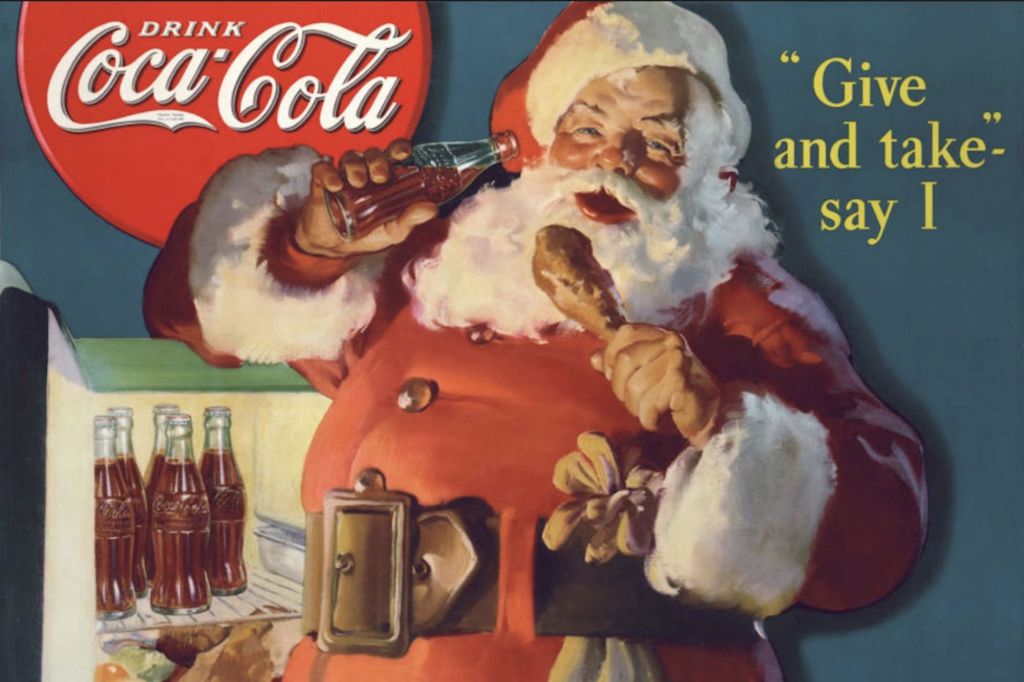
Coca-Cola ad from the 1930s

What is the origin story of Santa Claus?

The figure of Santa Claus – known by various names including Father Christmas, Kris Kringle and Saint Nicholas – has evolved over centuries and has been shaped by a combination of Christian traditions, folklore and historical figures. Here’s a brief overview of the origin story of Santa Claus:

  • Saint Nicholas: The origin of Santa Claus can be traced back to Saint Nicholas, a 4th-century Christian bishop who lived in what is now modern-day Turkey. Saint Nicholas was known for his acts of kindness and generosity, especially toward children and those in need.
  • Evolution of the legend: Over time, stories and legends about Saint Nicholas’s generosity spread across Europe. He became the patron saint of children and sailors. In many countries, Saint Nicholas Day is celebrated on 6th December, and children receive gifts in his honour.
  • Dutch influence: Dutch immigrants to the United States brought with them the tradition of celebrating Sinterklaas (Saint Nicholas) on 5th December, a custom that eventually merged with the Christmas holiday in America. Sinterklaas evolved into “Santa Claus”.
  • Coca-Cola’s Influence: In the 1930s, Coca-Cola played a significant role in shaping the modern image of Santa Claus. They commissioned artist Haddon Sundblom to create a series of images featuring a plump, jolly Santa Claus enjoying Coca-Cola. This popularised the image of Santa as we know him today, with a red suit and white beard.
NORAD SantaTracker

Interesting anecdotes about Santa Claus

  • International names and variations: Santa Claus goes by different names and variations in various countries. For example, in France, he is Père Noël; in Italy, he is Babbo Natale; in Russia, he is Ded Moroz; and in the Netherlands, he is Sinterklaas, who has a helper named Zwarte Piet.
  • Santa’s mail: Many countries have dedicated addresses where children can send letters to Santa Claus. These letters often receive responses from volunteers or postal workers.
  • NORAD Santa Tracker: Since 1955, the North American Aerospace Defense Command (NORAD) has been tracking Santa Claus’s journey around the world on Christmas Eve. It began as a result of a misprinted phone number in a newspaper ad, and it has become a popular tradition.
  • SantaCon: In cities around the world, SantaCon is an annual event where people dress up as Santa Claus and participate in a pub crawl or other festive activities.
  • Santa’s transportation: In many cultures, Santa Claus is believed to travel in various ways. In the United States, he’s said to use a sleigh pulled by reindeer, while in some European countries, he arrives on a horse or even by boat.
  • Leaving out treats: In the United States and other countries, it’s a tradition for children to leave out milk and cookies for Santa Claus as a token of appreciation for his gift-giving.
  • Santa parades: Santa Claus often appears in parades leading up to Christmas, including the Macy’s Thanksgiving Day Parade in New York City.
  • The Santa Claus Oath: There is an official Santa Claus Oath that many individuals who portray Santa Claus in public take, pledging to uphold the values and spirit of Santa.
  • Santa’s workshop: The North Pole is commonly depicted as the location of Santa’s workshop, where he and his elves make toys for children. This imagery has become deeply ingrained in the Santa Claus legend.
  • Acts of kindness: Many people embrace the spirit of Santa Claus by engaging in acts of kindness and charity during the holiday season, helping those in need and spreading joy.
SantaCon, New York City

In a nutshell

The story of Santa Claus is a heartwarming tale that has transcended borders and cultures, bringing joy and goodwill to people around the world during the Christmas season. Santa represents the spirit of giving, generosity, and the magic of the holidays.

Coda

Putting DALL-E 3’s imagination to work, here are a couple of images showing the Yule Lads greeting Santa Claus, as his reindeer pull a flying sled across the sky, all in an Icelandic landscape.