
Jolabokaflod Advent Calendar 2025
There are certain books that seem to carry Christmas inside them.
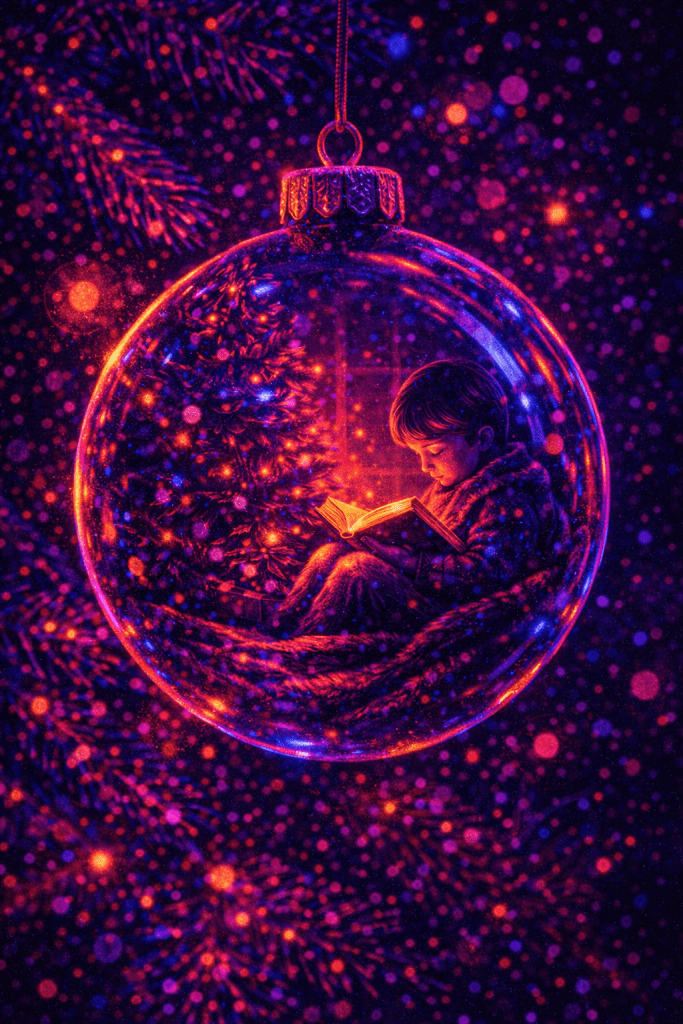
You open the cover, and suddenly you’re smaller. The room feels bigger. The lights are softer. Time stretches in that peculiar way it only ever did when you were young and December felt endless.
For many of us, our earliest reading memories are inseparable from Christmas. A book opened on the carpet while the adults talked. A story read aloud before bed. A familiar cover brought out once a year, like a decoration made of paper and ink.
These books did more than entertain us.
They taught us what comfort felt like.
I can still remember the particular hush of Christmas reading as a child — the sense that nothing else was expected of me in that moment. No achievement. No performance. Just attention and imagination. Looking back, it’s no surprise that so many lifelong readers trace their love of books back to these early, gentle encounters.
What’s remarkable is how powerfully these stories work when we return to them as adults.
We notice different things. We read with more patience, more tenderness. But the emotional core remains unchanged. The same sense of safety. The same quiet joy. The same feeling of being held by a story.
Today, on Day 19 of our Jolabokaflod Advent Calendar, I invite you to revisit — or pass on — the books that shaped Christmas reading for so many of us. Whether you’re giving them to a child, sharing them aloud, or reclaiming them for yourself, these stories still know exactly what to do.
🎄 Today’s Reading Picks — “Childhood Christmas Books”
Beloved stories that feel like coming home:
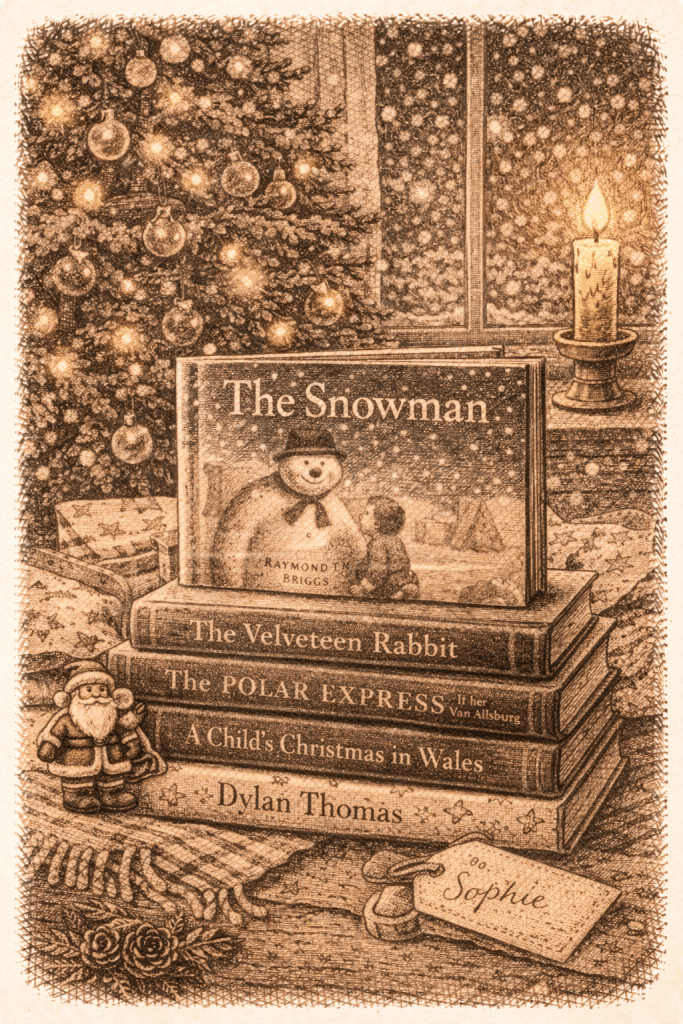
- The Snowman — Raymond Briggs
- The Velveteen Rabbit — Margery Williams
- The Polar Express — Chris Van Allsburg
- The Lion, the Witch and the Wardrobe — C.S. Lewis
These are not just books. They are seasonal companions.
You can explore the full Advent Calendar titles here:
👉 Visit the “Advent Calendar” collection on Bookshop.org
And if you’d like to continue the tradition:
👉 Visit the Giftable Hardbacks Shelf
- Journey — Dorling Kindersley: An illustrated history of the world’s greatest travels
- Jurassic World: The Ultimate Visual History — James Mottram: Definitive collector’s book, a must-have for fans of the action-packed dinosaur saga
- National Geographic Ultimate Visual History of the World — Jean-Pierre Isbouts: Here, in vivid colour and crisp narrative, is the sweeping story of the history of civilisation
- The Wonder of Life on Earth — Henry Gee: Astonishing and readable natural history giving an accessible introduction to the topic of life.
- The Illustrated World of Tolkien — David Day: Exquisite reference guide to Tolkien’s world and the artists his vision inspired.
- The Work of Art — Adam Moss: Guided tour of what goes on inside an artist’s head.
- The Natural History Book — Dorling Kindersley: Beautiful guide to Earth’s wildlife and natural history, including its rocks, minerals, animals, plants, fungi and microorganisms.
- Information is Beautiful — David McCandless: Visual guide to how the world really works, through stunning infographics and data visualisations
- Animalium — Jenny Broom: Rich, informative and truly wonderful cabinet of curiosities beautifully displayed in this imaginative book
- The Book of Symbols. Reflections on Archetypal Images — Taschen: Sets new standards for thoughtful exploration of symbols and their meanings
- The Illustrated Brief History Of Time — Stephen Hawking: Bring theories to life in a clear, captivating and visually engaging way
- The Secret Lives of Colour — Kassia St Clair: Excellent, innovative and idiosyncratic cultural history that will colour your thinking
- Atlas of the Invisible — James Cheshire and Oliver Uberti: Discover the hidden patterns in human society as you have never seen them before — through the world of data
- The Book of Trees: Visualising Branches of Knowledge — Manuel Lima: Stunning visual maps showing how humans organise knowledge.
- The Planets — Andrew Cohen and Brian Cox: Visually striking and intellectually generous.
This Christmas, remember the books that once made the world feel safe and magical.
They are still doing that work — quietly, patiently — for anyone willing to open them again.




 Jolabokaflod