

Jolabokaflod

Christmas Book Flood • Reading for Pleasure


Leave a comment

How the UK Celebrates World Book Day

A Nation of Readers in Costume
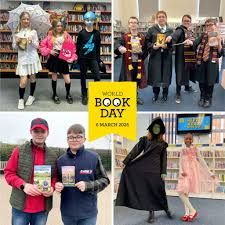
Ever wondered why the UK turns into a sea of literary characters every March?

Every year, on the first Thursday of March, the UK bursts into a vibrant celebration of literature known as World Book Day. Schools, bookshops and libraries across the country unite to ignite a passion for reading among children of school age. But what makes this day so special, and how has it become such a beloved tradition?

A National Celebration of Reading

World Book Day in the UK is more than just a date on the calendar. It’s a nationwide initiative that aims to make books accessible to all children, regardless of background. Launched in 1997 by UNESCO and adapted uniquely for the UK and Ireland, the event promotes reading through various engaging activities.
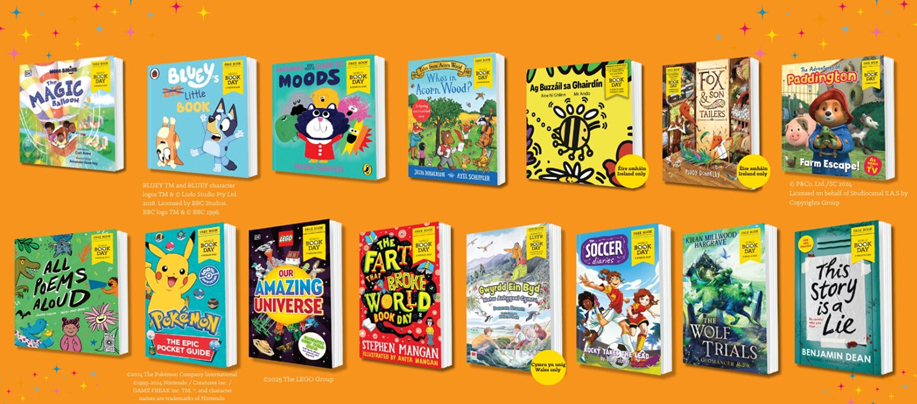
One of the most iconic aspects of World Book Day is the distribution of free book tokens. Each child receives a £1 token, which they can use to purchase a special edition World Book Day book or put towards a book of their choice. This ensures that every child has access to a book they can call their own, fostering a love of reading from an early age.

Dressing Up: More Than Just Costumes

Ask any schoolchild what they love most about World Book Day, and chances are they’ll mention the costumes. Schools nationwide encourage pupils to dress as their favourite literary characters, turning classrooms into a colourful mix of Harry Potters, Alice in Wonderlands and Gruffalos. But beyond the fun, these costumes serve a deeper purpose—bringing stories to life and making books more interactive for young readers.

For many parents, however, the pressure to create elaborate costumes can be daunting. While some opt for detailed, homemade outfits, others prefer simple yet creative solutions—often making use of household items to transform their child into a beloved character. The emphasis is always on participation rather than perfection.

School Events and Community Engagement
Schools play a pivotal role in World Book Day celebrations. Teachers organise storytelling sessions, book swaps and author visits to inspire their students. Many schools hold “Drop Everything and Read” (DEAR) sessions, where the entire school pauses to read for a set period, reinforcing the idea that reading is both valuable and enjoyable.

Libraries and bookshops also join in the festivities—hosting workshops, readings, and signings with authors and illustrators. These events create an immersive literary experience that encourages children to explore different genres and discover new favourite books.

The Power of Representation in Books

A growing focus of World Book Day in recent years has been diversity in literature. Campaigns promoting books that reflect different cultures, abilities and experiences have gained momentum. Publishers and educators use the event as an opportunity to introduce children to books that feature characters from a range of backgrounds, ensuring that every child can see themselves represented in the stories they read.

The Digital Influence on World Book Day

With the rise of digital media, World Book Day has expanded beyond physical books. Many organisations now incorporate audiobooks, e-books and virtual storytelling sessions into their celebrations. Social media plays a significant role, with the hashtag #WorldBookDay trending across platforms as parents, teachers and other book lovers share their celebrations online.

The Lasting Impact

While World Book Day lasts only 24 hours, its impact endures throughout the year. By putting books in children’s hands—making reading an exciting, shared experience—the initiative contributes to lifelong literacy and a love of storytelling. Schools, families and communities continue to build on the enthusiasm generated, ensuring that books remain at the heart of children’s lives.

Do you think initiatives like World Book Day help foster a long-term love for reading?


Leave a comment

Christmas traditions (Advent calendar, Day 24)

What is the origin story of Santa Runs?

Santa Run in a park

Santa Runs, also known as Santa Dashes or Santa Fun Runs, are festive events that involve participants dressing up as Santa Claus and running a designated route, often for charitable purposes. While the specific origin of Santa Runs is not well-documented, they are part of a broader tradition of holiday-themed fun runs that have become popular worldwide. Here’s an overview of the origin and some interesting anecdotes about Santa Runs and how this tradition is used to celebrate Christmas:

  • Emergence of fun runs: Fun runs, which are non-competitive running events designed for enjoyment rather than competition, have been a popular activity in many countries for decades. These runs often have themes and costumes, and they are organized for various purposes, including charity fundraising.
  • Santa costume element: Santa Runs incorporate the festive and recognisable image of Santa Claus into the fun run concept. Participants don Santa Claus costumes, complete with red suits, white beards, and hats, as they run or walk the designated course.

Interesting anecdotes about Santa Runs

Runners in different Christmas costumes
  • Charitable fundraising: Many Santa Runs are organised as charity fundraisers, with participants required to register and pay a fee, a portion of which goes to support charitable causes. These events often raise money for local charities, food banks, or other community initiatives.
  • World records: Santa Runs have gained popularity as opportunities to set world records for the largest gathering of people dressed as Santa Claus. Cities around the world compete to break these records each year, adding a sense of competition and camaraderie to the events.
  • All ages and abilities: Santa Runs are inclusive events that welcome participants of all ages and abilities. Families often participate together, and the runs typically have different categories to accommodate walkers, joggers and serious runners.
  • Variety of distances: While 5 km (3.1 miles) runs are common, Santa Runs can vary in distance. Some are shorter, family-friendly events, while others are longer and more challenging. The choice of distance often depends on the organizers’ goals and the preferences of the participants.
  • Festive atmosphere: Santa Runs create a festive atmosphere with holiday music, decorations and sometimes even snow machines (in regions where it doesn’t naturally snow). The sense of joy and merriment is a hallmark of these events.
  • Costume creativity: Participants often get creative with their Santa Claus costumes. Some opt for traditional Santa attire, while others put unique twists on their costumes, adding elements like tutus, holiday-themed accessories, or creative variations on Santa’s appearance.
  • Global participation: Santa Runs have become a global phenomenon, with events taking place in cities and communities around the world. Major cities often have their own annual Santa Run, attracting thousands of participants. In coastal areas, a variation on the theme is to go surfing dressed as Santa Claus.
  • Community engagement: Santa Runs are not only about running but also about community engagement and coming together to celebrate the holiday season. Many runs encourage spectators to cheer on participants and join in the festive spirit.

In a nutshell

Surfing Santas

Santa Runs have become a beloved and light-hearted way to celebrate the holiday season, promote physical activity, and raise funds for charitable causes. Whether it’s for fun, fitness, or fundraising, participants in Santa Runs enjoy the festive spirit of the event and the opportunity to spread holiday cheer while staying active.

Coda

DALL-E 3 today imagines the Yule Lads taking part in a Santa Run in Reykjavík alongside many other people dressed in Santa Claus costumes.