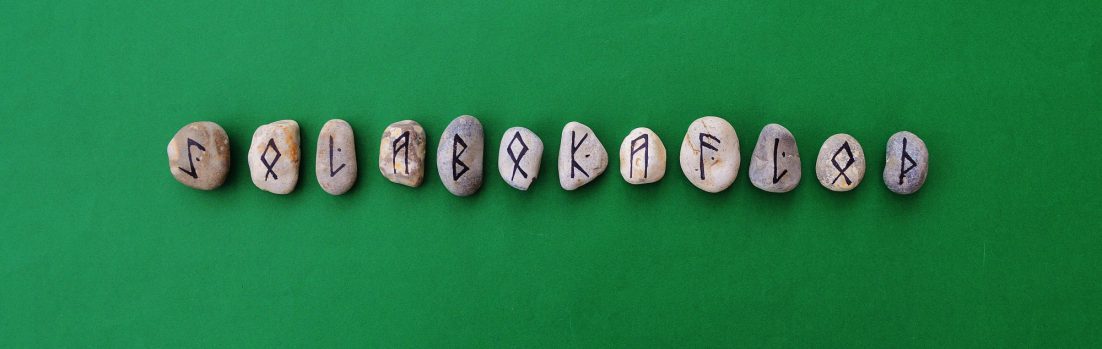
Jolabokaflod

Christmas Book Flood • Reading for Pleasure


Leave a comment

DAY 4 — The Cup-of-Hot-Chocolate Books

Jolabokaflod Advent Calendar 2025

Some books don’t ask to be analysed.
They ask only to be held.

Held the way you hold a warm mug on a cold evening. Fingers curved around ceramic. Steam rising toward your face. A soft pause between one small sip and the next. These are the books I think of as hot-chocolate books — stories that warm you from the inside out.

I first noticed this kind of reading on a winter evening when the day had been heavy for no obvious reason. Nothing dramatic. Just one of those tired, emotionally cluttered days that December seems so good at producing. I made hot chocolate almost without thinking, opened a book at random, and somewhere between the sweetness and the softness of the words, I felt my shoulders lower.

That’s when I realised something important:

We live in a world that constantly invites us to optimise even our leisure — to learn more, grow faster, consume smarter. But winter asks something different of us. It asks us to be gentler. It asks us to choose warmth over acceleration. And few things do that as reliably as a truly comforting book.

These are the stories where not much explodes. Where kindness appears quietly. Where the stakes are human rather than heroic. They are perfect companions for evenings when the dark arrives early and the only plan is to stay in.

So today, on Day 4 of our Jolabokaflod Advent journey, I invite you to choose a book the way you might choose a hot drink: not for its prestige, but for how it makes you feel when you take the first sip.

Today’s Reading Picks: “Hot-Chocolate Comfort Reads”

Books that soothe, soften, and wrap you up in story:

These are books you can return to when the world feels a little too sharp around the edges.

You can explore the full Advent Calendar titles here:
👉 Explore the Advent Calendar collection on Bookshop.org

And if you’d like to wander a little further:
👉 Visit the Cosy Winter Fiction Shelf

Tonight, may your book be warm.
May your drink be sweet.
And may the world feel just a little kinder.

Leave a comment

DAY 2 — The Hygge Reading Nook Challenge

Jolabokaflod Advent Calendar 2025

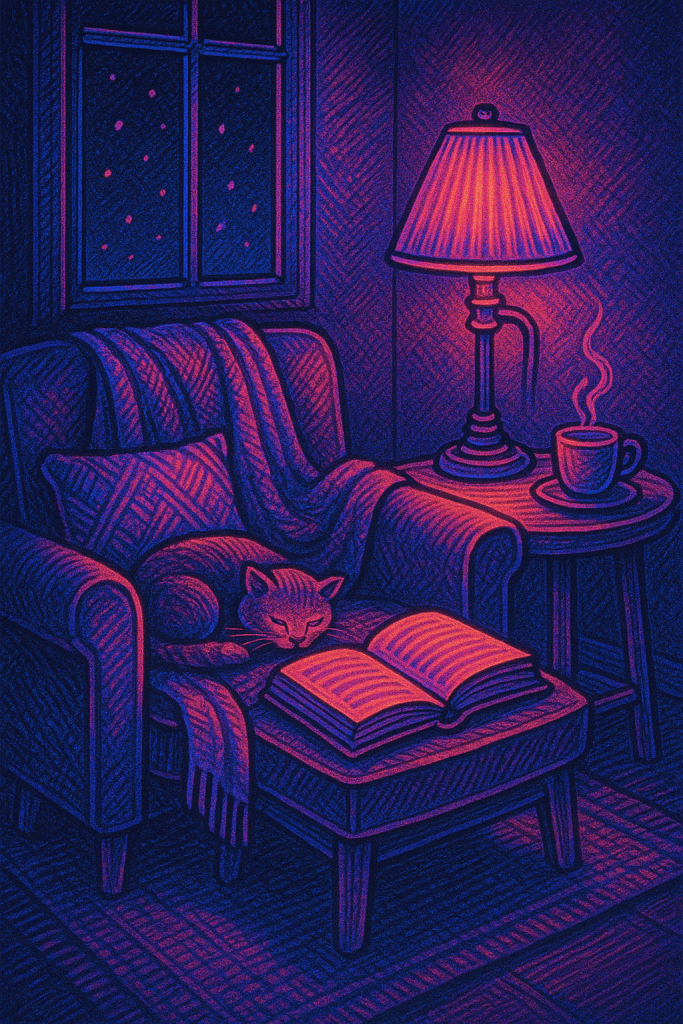
There’s a particular kind of happiness that arrives not in grand gestures, but in the quiet rearranging of a corner of your home. A lamp moved a little closer. A blanket folded just so. A mug placed within easy reach. And suddenly, what was once simply a chair becomes something far more powerful: an invitation to read.

For me, the discovery of hygge years ago didn’t come from a book or an article—it came from a moment. A dreary December afternoon, the kind where the sky hangs low and everything feels slightly unfinished. I lit a small lamp, wrapped a blanket around my shoulders, and sat down “just for a minute”. That minute became an hour. That hour became the start of a ritual that has stayed with me every winter since.

Because here’s the truth we often forget:
Adults don’t just need more time to read. They need more reasons to begin.
And nothing encourages beginning quite like a cosy, welcoming nook.

The beauty of a reading nook is that it doesn’t need to be elaborate. You don’t need a fireplace or a bay window or a perfectly curated stack of Pinterest-worthy décor. All you need are three things:

  1. A comfortable seat
  2. A forgiving light source
  3. A sense of shelter

The shelter is the secret ingredient. It might be the way a blanket drapes over your knees. Or how the chair angles away from the busyness of the room. Or even the presence of a cat who is absolutely convinced this nook was created for them.

Today, for Day Two of our Jolabokaflod Advent Calendar, I invite you to join the Hygge Reading Nook Challenge:

And once you’ve done that, you’ll need the right book: something warm, atmospheric, and comforting enough to justify staying put for just one chapter more.

Today’s Reading Picks: “Hygge Nook Essentials”

Books that pair beautifully with soft light, blankets, and unhurried evenings:

You can explore the full Advent Calendar titles here:
👉 Explore the Advent Calendar collection on Bookshop.org

And if you want even more comforting choices:
👉 Visit the Cosy Winter Fiction Shelf

Whether your nook is humble or heavenly, minimal or magical, let it become your daily December refuge.

May it bring you warmth, rest, and many beautiful pages.


Leave a comment

DAY 1 — The First Snowfall of Reading Season

Jolabokaflod Advent Calendar 2025

There’s a moment every winter when the world changes all at once.

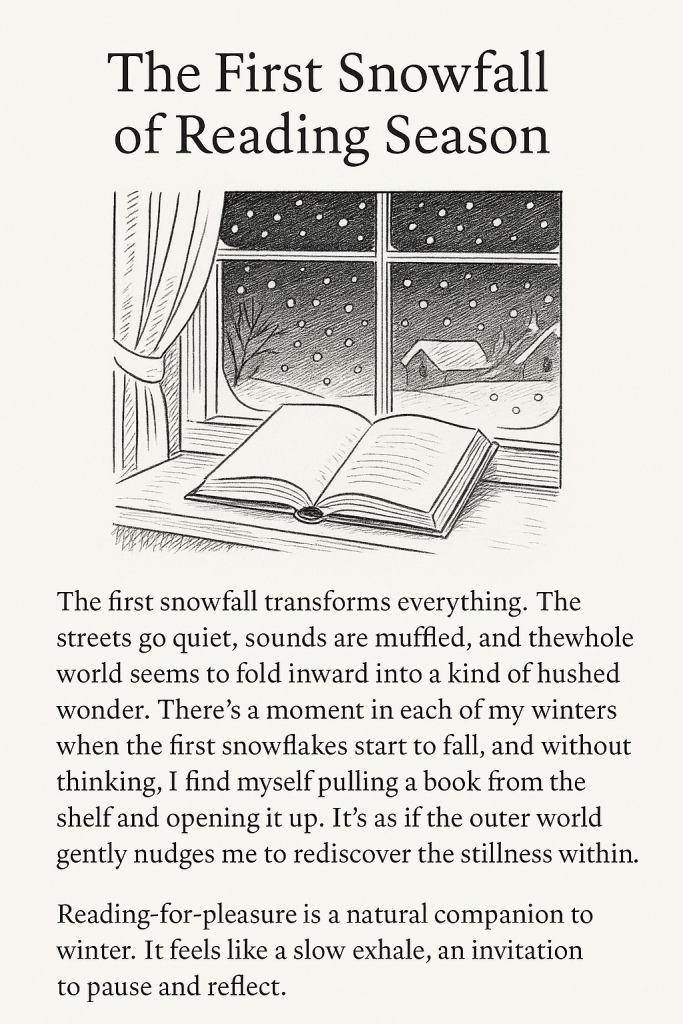
It happens quietly—almost shyly—when the first snowflakes drift past the window. Streets soften. Sounds become muffled. The light turns a gentler shade of silver. And for a few precious hours, the world gives us permission to slow down.

For many people, that first snowfall is the moment they finally exhale. For readers, it’s something more: an invitation. A reminder. A tug at an old, familiar thread of comfort. The first snowfall carries a secret message whispered only to those willing to hear it:

I remember one first snowfall in particular—a December morning years ago, long before Jolabokaflod became a part of my life’s work. I had been rushing, overstretched, juggling the many unnecessary urgencies we invent for ourselves in the run-up to Christmas. Then suddenly, there it was: a soft flurry outside the window. I stopped, mid-task. Without thinking, I made a cup of coffee, pulled a blanket over my lap, and picked up the book waiting quietly beside the sofa.

Thirty pages later, I realised I hadn’t looked at my phone once.

That morning taught me something I’ve since seen echoed in research, book clubs, libraries, and conversations with readers around the world: winter itself can be a catalyst for reading. The colder, quieter, darker days nudge us toward stories in a way summer rarely does. We’re less inclined to rush. We crave atmosphere. We want warmth—not just in temperature but in feeling.

So today, on the first day of our Jolabokaflod Advent Calendar, I invite you to embrace that small but powerful shift. Whether snow is falling where you are or only in your imagination, let this be your moment to pause—to choose a book that mirrors the pace of the season, and to let it carry you gently into December.

❄️ Today’s Reading Picks: “First Snowfall Reads”

Books with crisp air, quiet moods and the soft glow of winter light:

These books pair beautifully with early mornings, warm blankets and the sound of nothing much at all.

You can explore the full Advent Calendar titles here:
👉 Explore the Advent Calendar collection on Bookshop.org

And if you want a second cosy corner to wander into, today’s recommended evergreen shelf is:
👉 The Cosy Winter Fiction Shelf

Let’s begin this season as gently as possible.
Let’s begin with a book.
Let’s begin with the first snowfall.


Leave a comment

Christmas traditions (Advent calendar, Day 19)

What is the origin story of Christmas wreaths?

Wreath crown, Roman mosaic (Wikipedia)

The tradition of using wreaths during the Christmas season has ancient roots that date back to pagan times. Wreaths, circular in shape, have always symbolised eternity and the cycle of life. As Christianity spread across Europe, wreaths were adapted for use in festive celebrations, incorporating Christian symbolism. Here’s the origin story and some interesting anecdotes about Christmas wreaths and how this tradition is used to celebrate Christmas around the world:

  • Pagan origins: The use of wreaths as decorative elements predates Christianity. In ancient Rome, for example, wreaths of evergreen foliage, such as laurel and holly, were worn as crowns during festivals and celebrations, including the winter solstice.
  • Adaptation for Christmas: As Christianity gained prominence in Europe, wreaths began to be associated with Christmas. The circular shape of the wreath came to mean the eternity of God’s love, with no beginning or end. The evergreen foliage used in wreaths symbolised life and hope.

Interesting anecdotes about Christmas wreaths

Advent wreath (Catholic Supply of St. Louis, Inc.)
  • Advent wreaths: In Christian tradition, the Advent wreath is a significant symbol of the Advent season, which begins on the fourth Sunday before Christmas. Advent wreaths typically consist of a circular evergreen wreath with four candles, one for each Sunday of Advent. Each candle is lit on its respective Sunday to mark the countdown to Christmas.
  • Candles and colours: The Advent wreath candles are often three purple or blue candles, representing penance and preparation, and one pink or rose candle, symbolising joy. A white centre candle, called the Christ candle, is lit on Christmas Eve or Christmas Day to represent the birth of Jesus.
  • Decorative elements: Christmas wreaths are typically adorned with various decorative elements, such as red ribbons, pinecones, ornaments, and artificial berries. These elements add colour and festive flair to the wreaths.
  • Welcoming symbol: In many cultures, the Christmas wreath is placed on the front door or displayed in windows as a symbol of welcome and hospitality. It is a way to greet visitors and share the joy of the season.
  • Wreath-making: Making or decorating Christmas wreaths is a popular holiday craft activity. Many families and communities gather to create their own wreaths, customising them with personal touches.
  • Global variations: While the basic concept of the Christmas wreath is consistent, different cultures and regions may have unique variations and customs associated with wreath-making and display.
  • Outdoor decorations: In some regions with colder climates, Christmas wreaths may be placed outdoors to withstand the winter weather. They are often adorned with lights and serve as festive outdoor decorations.
  • Holiday markets: Christmas wreaths are commonly sold at holiday markets and craft fairs, where they are available in various sizes and styles to suit individual preferences.
  • Memorial wreaths: In addition to festive wreaths, there are also memorial wreaths that are used to honour and remember loved ones during the holiday season. These wreaths may be displayed at cemeteries or other meaningful locations.
Door wreath (Mano Mano)

In a nutshell

Christmas wreaths, with their timeless symbolism and versatility, continue to be an integral part of Christmas celebrations worldwide. They bring beauty, warmth, and a sense of tradition to homes and communities during the holiday season, serving as a visual reminder of the spirit of Christmas.

Coda

Today, DALL-E 3 has imagined the Yule Lads inside an Icelandic home, lighting a candle on an Advent wreath for Christmas.


Leave a comment

Christmas traditions (Advent calendar, Day 1)

What is the origin story of the Advent calendar?

The tradition of advent calendars can be traced back to Germany in the 19th century. The word “Advent” comes from the Latin word “adventus,” which means “coming” or “arrival.” Advent calendars were created as a way for Christians to mark the 24 days leading up to Christmas, which is the celebration of the birth of Jesus Christ. It served as a way to build anticipation and prepare spiritually for the Christmas season.

The earliest advent calendars were simple chalk lines drawn on doors or walls, with a chalk mark made each day to count down to Christmas. Eventually, this practice evolved into the use of candles, where a new candle would be lit each day. The modern advent calendar, as we know it today, with small doors or compartments containing hidden treats or pictures, emerged in the early 20th century.

Interesting anecdotes about Advent calendars

  • Invention of the first printed Advent calendar: In the early 20th century, a German named Gerhard Lang is often credited with producing the first printed advent calendar. He was inspired by a childhood memory of a calendar his mother made for him with 24 small candies attached to a piece of cardboard.
  • Religious and secular Advent calendars: While advent calendars have their origins in the Christian tradition of counting down to Christmas, many modern advent calendars are secular and may contain chocolates, toys, or other small gifts. Some advent calendars even feature popular non-religious symbols like Santa Claus.
  • Variety of designs: Advent calendars come in a wide variety of designs and themes. Some are traditional, featuring nativity scenes and religious imagery. Others may showcase winter scenes, Santa Claus, or beloved characters from books and movies. There are even DIY advent calendars that people create with personalized themes.
  • International appeal: The use of advent calendars has spread beyond Germany and is now popular in many countries around the world. Each culture may have its unique take on the tradition. For example, in Sweden, it’s common to have an advent candle, and in Iceland, there’s a tradition of giving books on Christmas Eve, which aligns with the advent season.
  • Advent calendar records: In 2007, a Guinness World Record was set for the largest advent calendar. It was created in the UK and measured over 71 meters in length, with each day’s door measuring about 3.5 meters high.
  • Advent calendars in pop culture: Advent calendars have made their way into pop culture, with many companies producing special advent calendars featuring products like makeup, skincare, and gourmet foods. These calendars have become highly sought-after collector’s items.
  • Charity Advent calendars: Some advent calendars are designed to promote charitable giving. Instead of receiving gifts or chocolates, each day may reveal a charitable act or donation to be made, encouraging kindness and generosity during the holiday season.

In a nutshell

Advent calendars have evolved over the years from simple chalk marks to complex and creative designs. They continue to be a beloved tradition that brings joy and anticipation to the Christmas season for people of all ages, both for religious and secular celebrations.