The days of anticipation are behind us. The lists have been written, rewritten, and finally set aside. The world feels quieter now — not because there is nothing left to do, but because something has been decided.
Tonight is for reading.
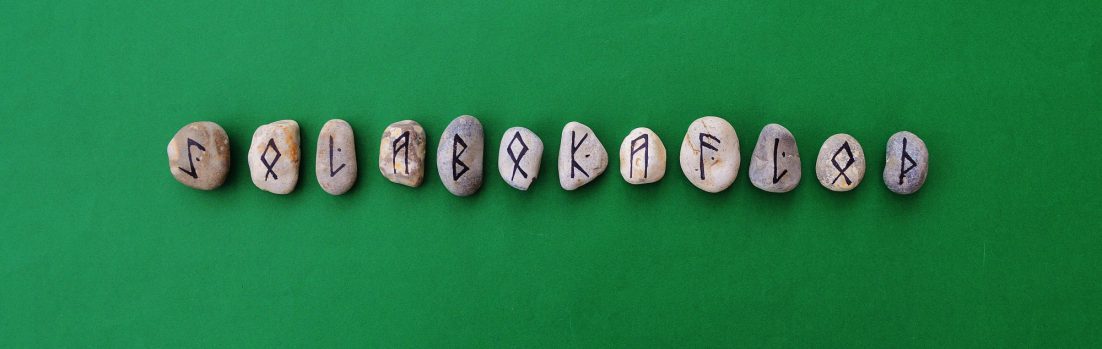
Jolabokaflod was never meant to be loud. It does not demand attention or insist on spectacle. It asks only for a book, a little time, and the willingness to be still. In a season so often filled with movement and noise that simplicity feels almost radical.
I like to think of Christmas Eve reading not as a tradition to perform, but as a threshold to cross. A moment when the year loosens its grip just enough for us to step into story — not to escape the world, but to return to it more gently.
Tonight, the book you open does not need to be impressive. It does not need to be new. It does not need to change your life.
It only needs to keep you company.
Whether you read for five minutes or fifty pages, whether you read aloud or silently, whether the house is full or completely still — the act itself matters. It marks the evening. It gives the season a resting place.
Across Iceland, across homes around the world, people are doing something quietly similar tonight. Sitting down. Opening a book. Letting words arrive one by one. Not rushing. Not measuring. Simply reading.
That shared stillness is the heart of Jolabokaflod.
Over the past twenty-four days, we’ve wandered through cosy corners, old favourites, short stories, slow reading, childhood memories, and last-minute gifts. But all of it has been leading here — to this moment, when the only thing left to do is begin.
📚 Tonight’s Reading Choice
There is no list today. No recommendation to follow. No shelf to browse.
Tonight, the right book is the one already in your hands.
So wherever you are, however you celebrate, I invite you to do one small thing before the evening slips away:
Sit down. Open your book. Read.
Let Christmas arrive quietly. Let the story do its work. And let this simple act carry you — gently — into the days ahead.
There is an hour in late December that feels unlike any other.
It might arrive early in the morning, before the house wakes. Or late at night, after the dishes are done and the lights are low. Outside, the world is hushed. Inside, there is nothing urgently asking for your attention.
This is the quietest hour of the year.
I’ve come to recognise it not by the clock, but by the feeling. The sense that time has loosened. That no one is waiting for a response. That the noise of obligation has briefly stepped aside. When this hour appears, reading feels less like an activity and more like a natural response.
During one such hour a few winters ago, I opened a book almost instinctively. There was no plan to read much — just enough to fill the silence. But the silence held. The pages turned slowly. The hour stretched. And when it passed, I felt steadier than I had in days.
That is the gift of reading in deep quiet:
It meets stillness with stillness.
Some books are especially suited to this hour. They don’t rush you forward. They don’t demand sustained alertness. They feel content to sit beside you while the world rests. These are not books for multitasking. They are books for presence.
Today, on Day 21 of our Jolabokaflod Advent Calendar, I invite you to notice when your quietest hour arrives. Don’t schedule it. Don’t announce it. Just recognise it when it comes — and meet it with a book that understands the moment.
🌙 Today’s Reading Picks — “Books for the Quietest Hour”
There are certain books that seem to carry Christmas inside them.
You open the cover, and suddenly you’re smaller. The room feels bigger. The lights are softer. Time stretches in that peculiar way it only ever did when you were young and December felt endless.
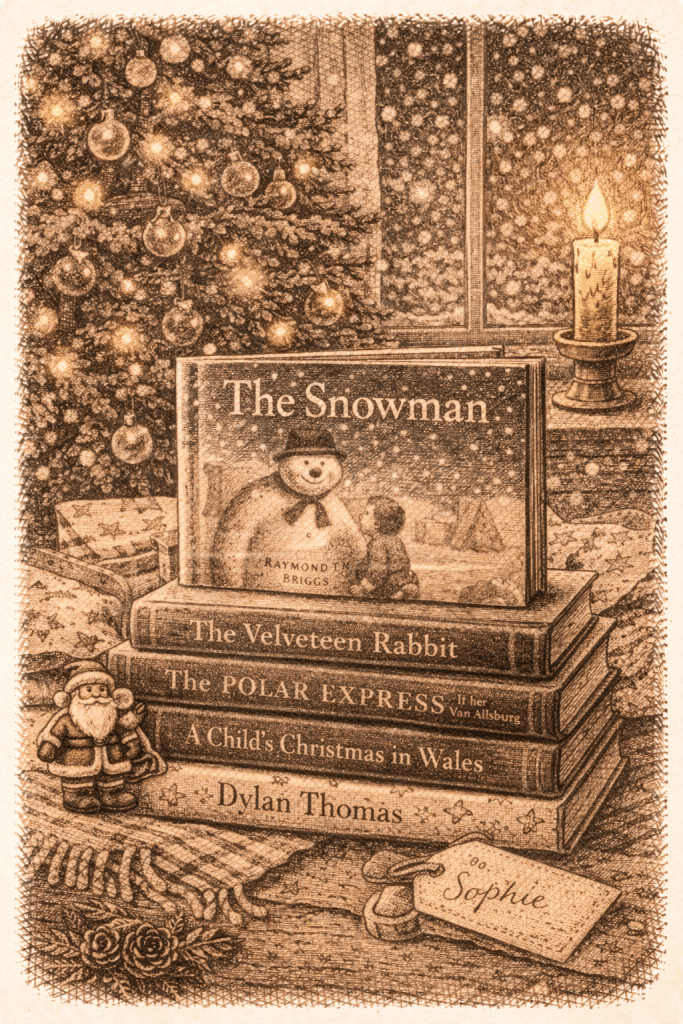
For many of us, our earliest reading memories are inseparable from Christmas. A book opened on the carpet while the adults talked. A story read aloud before bed. A familiar cover brought out once a year, like a decoration made of paper and ink.
These books did more than entertain us. They taught us what comfort felt like.
I can still remember the particular hush of Christmas reading as a child — the sense that nothing else was expected of me in that moment. No achievement. No performance. Just attention and imagination. Looking back, it’s no surprise that so many lifelong readers trace their love of books back to these early, gentle encounters.
What’s remarkable is how powerfully these stories work when we return to them as adults.
We notice different things. We read with more patience, more tenderness. But the emotional core remains unchanged. The same sense of safety. The same quiet joy. The same feeling of being held by a story.
Today, on Day 19 of our Jolabokaflod Advent Calendar, I invite you to revisit — or pass on — the books that shaped Christmas reading for so many of us. Whether you’re giving them to a child, sharing them aloud, or reclaiming them for yourself, these stories still know exactly what to do.
This Christmas, remember the books that once made the world feel safe and magical. They are still doing that work — quietly, patiently — for anyone willing to open them again.
Before the paper. Before the ribbon. Before the gift disappears beneath the tree.
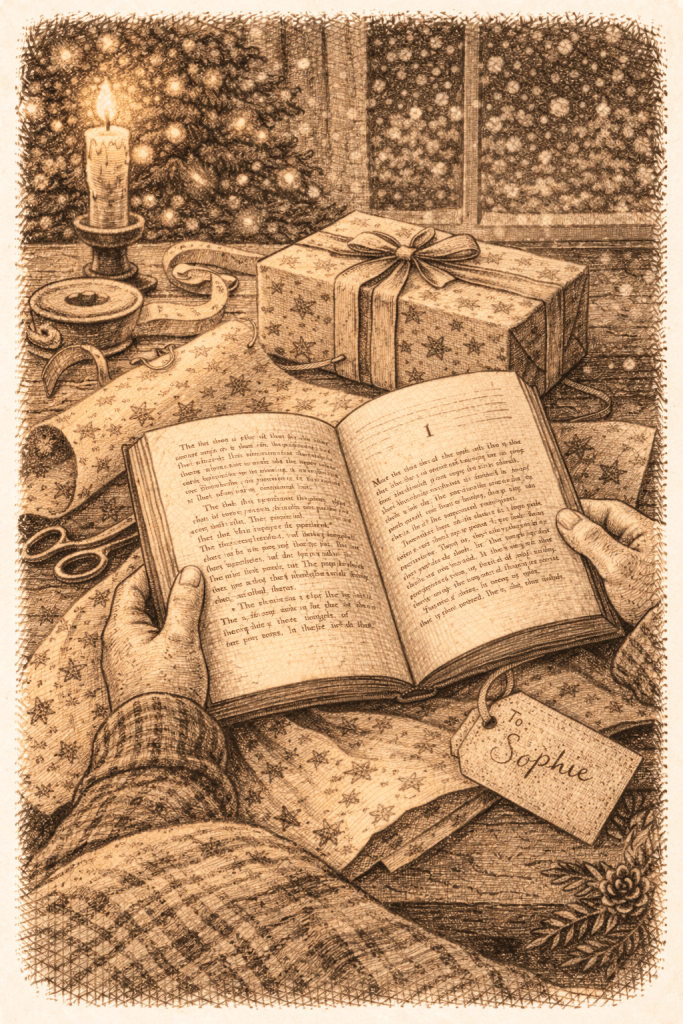
There is a small, almost secret ritual I’ve come to treasure at this time of year: opening a book before it is wrapped.
Not to read it properly. Not to spoil anything. Just a page or two. Enough to meet the voice. Enough to sense the weight of the story. Enough to understand what kind of companion this book might become for the person who will receive it.
I started doing this accidentally one December evening while preparing gifts late at night. A book lay open on the table, waiting. I read the first paragraph. Then the second. Then I stopped — not because I wasn’t enjoying it, but because I’d seen enough. The book had introduced itself. And suddenly, wrapping it felt different.
Because once you’ve read even a fragment, you’re no longer giving an object. You’re giving a relationship.
Books are unusual gifts in that they carry more than we can see. They contain moods, voices, pacing, silences. Reading the opening pages allows us to sense whether a book is gentle or bracing, playful or reflective, expansive or intimate. It helps us give with intention rather than guesswork.
This ritual does something else too. It slows the moment down.
In a season full of haste — last orders, final lists, hurried errands — opening a book quietly before wrapping it feels almost radical. It turns gift-giving into a pause rather than a task.
Today, on Day 18 of our Jolabokaflod Advent Calendar, I invite you to try it. Before you wrap a book this year, read just enough to understand why you chose it. Let that understanding travel invisibly with the gift.
🎁 Today’s Reading Picks — “Before You Wrap It” Books
Beautiful, gift-worthy books that reward even a few pages:
There is a posture that belongs almost entirely to winter.
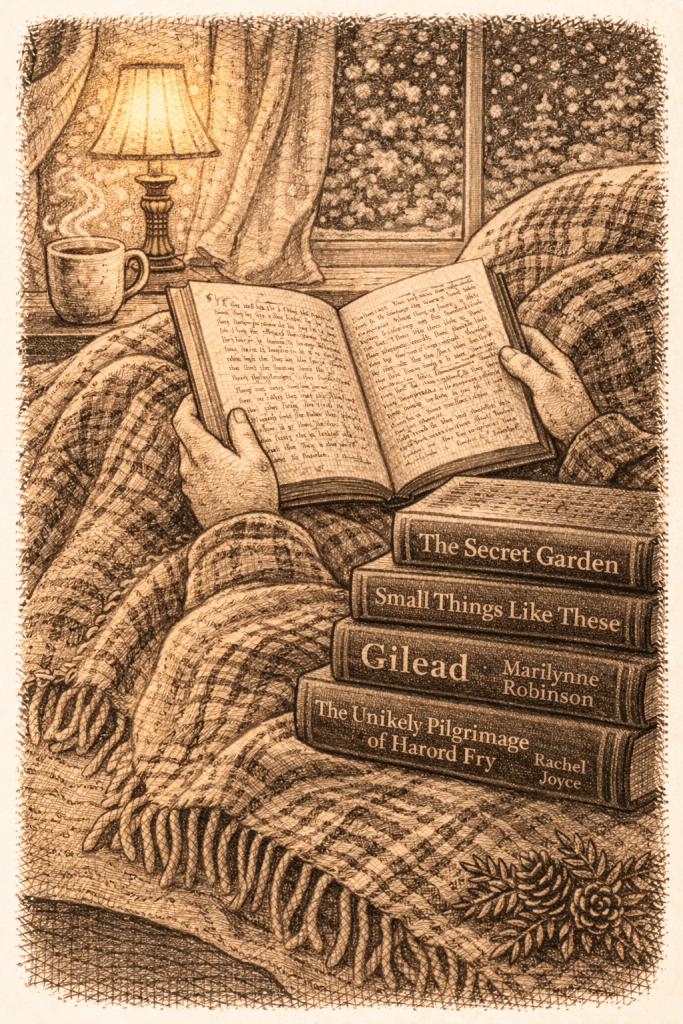
It’s not sitting upright at a desk. It’s not lying flat with intention. It’s something in between — knees drawn up, shoulders softened, book resting wherever it finds space.
A posture that says:
I am not going anywhere.
Curling up with a book is one of the first reading habits many of us ever learn. As children, we instinctively read this way — on sofas, on beds, on the floor, tucked into corners that feel safe and small. Somewhere in adulthood, many of us forget that reading is allowed to be physical. Comfortable. Nest-like.
But winter remembers for us.
I noticed this one evening when I realised I had been trying to read “properly” — straight-backed, alert, almost performative. The book felt distant. Then I shifted. Blanket pulled closer. Legs tucked in. The change was immediate. My body relaxed — and my attention followed.
That’s the quiet truth of curling up to read:
Comfort invites presence.
When the body feels safe, the mind wanders more freely into story. There’s less resistance. Less restlessness. Curling up is not laziness; it is a form of listening — a way of telling the book you are willing to stay.
Winter offers us permission to read this way again. To choose softness over structure. To let the book fit around us, rather than forcing ourselves to fit around the book.
Today, on Day 17 of our Jolabokaflod Advent Calendar, I invite you to reclaim this small, forgotten art. Build yourself a nest. Adjust until nothing aches. Let the outside world recede — and allow a story to come closer.
Murder on the Orient Express — Agatha Christie: The world’s greatest detective, Hercule Poirot, must identify the prime suspects from among the small but disparate group of remaining passengers– before the murderer decides to strike again.
The Winter People – Jennifer McMahon: Simmering psychological thriller about ghostly secrets, dark choices and the unbreakable bond between mothers and daughters.
Every so often, winter gives us an unexpected gift.
A day when the world pauses. Roads quieten. Plans dissolve. Messages change from “on my way” to “let’s see how it goes.” Whether caused by real snowfall or simply the sense that nothing much is expected of us, these are what I think of as snow days — even when the snow exists only in spirit.
Snow days create rare pockets of unclaimed time.
They don’t ask us to be efficient. They don’t reward multitasking. They invite us to settle. To stretch an afternoon. To let hours blur together without apology.
And few things suit this kind of time better than a book that knows how to hold you.
Snow day books are immersive without being exhausting. They are absorbing rather than demanding. Once you enter them, they create their own weather system — one you’re happy to stay inside for a while.
I remember a winter afternoon when everything I had planned quietly fell away. Outside, the light was flat and pale. Inside, a novel opened a door into another life entirely. When I finally looked up, the room had darkened and the day was gone. It felt like a gift I hadn’t known I needed.
That is the particular magic of snow day reading:
It allows us to disappear safely.
Today, on Day 16 of our Jolabokaflod Advent Calendar, I invite you to prepare for your next pause. Choose a book that can stretch across a long afternoon. One that doesn’t mind being read in great, generous chunks.
Murder on the Orient Express — Agatha Christie: The world’s greatest detective, Hercule Poirot, must identify the prime suspects from among the small but disparate group of remaining passengers– before the murderer decides to strike again.
The Winter People – Jennifer McMahon: Simmering psychological thriller about ghostly secrets, dark choices and the unbreakable bond between mothers and daughters.
Sometimes it’s a blanket. Sometimes it’s a lamp turned low. And very often, it’s something warm held carefully between both hands. A mug that needs a moment before the first sip. Steam rising. The promise of comfort.
Books and hot drinks share something important: they ask us to pause.
Over the years, I’ve noticed that certain books seem to pair naturally with certain drinks. Not because of rules or aesthetics, but because of mood. The pace of the prose. The emotional temperature of the story. The way the book makes time feel.
A brisk, thoughtful essay feels different with tea than it does with coffee. A gentle novel asks for something softer. A book full of memory and melancholy almost demands warmth.
So today, on Day 15 of our Jolabokaflod Advent Calendar, I invite you to treat reading like a small café experience. No rush. No productivity. Just a pairing chosen for pleasure.
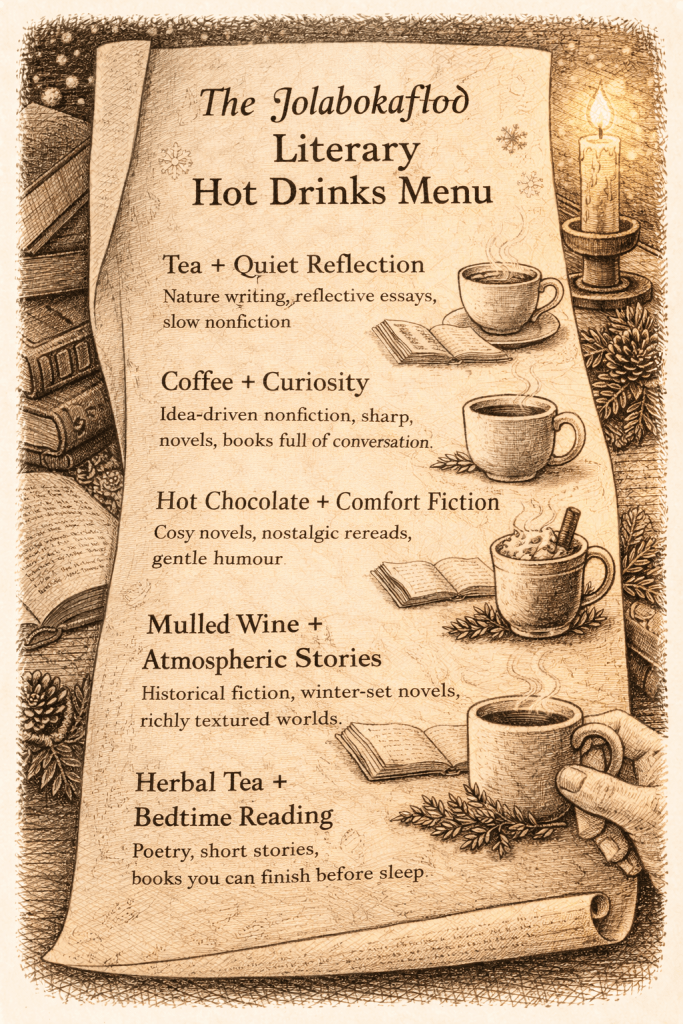
☕️ The Jolabokafloð Literary Hot Drinks Menu
Tea + Quiet Reflection Best with books that unfold gently, inviting contemplation rather than momentum. Try: nature writing, reflective essays, slow nonfiction.
Coffee + Curiosity For mornings or afternoons when your mind feels alert and eager. Try: idea-driven nonfiction, sharp novels, books full of conversation.
Hot Chocolate + Comfort Fiction Rich, sweet, and unapologetically soothing. Try: cosy novels, nostalgic rereads, gentle humour.
Mulled Wine + Atmospheric Stories Warming, indulgent, best enjoyed in the evening. Try: historical fiction, winter-set novels, richly textured worlds.
Herbal Tea + Bedtime Reading Soft, calming, and unhurried. Try: poetry, short stories, books you can finish before sleep.
There is no correct pairing, of course. But noticing what feels right can quietly deepen your enjoyment. The book slows the drink. The drink anchors the book. Together, they create a small pocket of winter calm.
📚 Today’s Reading Picks — “Literary Pairings”
Books that shine when matched with a favourite warm drink:
Murder on the Orient Express — Agatha Christie: The world’s greatest detective, Hercule Poirot, must identify the prime suspects from among the small but disparate group of remaining passengers– before the murderer decides to strike again.
The Winter People – Jennifer McMahon: Simmering psychological thriller about ghostly secrets, dark choices and the unbreakable bond between mothers and daughters.
Somewhere along the way, many adults learned to apologise for reading.
We justify it as research. We frame it as self-improvement. We explain that it’s useful, educational, good for us.
And while all of those things may be true, they quietly miss the point.
Reading for pleasure does not need permission.
I’ve noticed how often people lower their voices when they talk about reading something “just because they love it”. As if enjoyment alone were somehow insufficient. As if delight needed a measurable outcome to earn its place in a busy life.
But reading has always been more than a means to an end. Long before productivity metrics and optimisation culture, stories existed to comfort, entertain, distract, provoke and keep people company. Pleasure was never a side effect. It was the point.
This is what winter reminds us of.
In December, reading slips back into its most natural shape. It happens slowly. It happens indoors. It happens without urgency. A few pages before bed. A chapter while the kettle boils. A story revisited simply because it feels familiar and safe.
Reading for pleasure is not laziness.
It is rest for the mind.
It allows thoughts to wander without being managed. It creates private spaces untouched by obligation. It reconnects us with curiosity — not because curiosity is useful, but because it feels good to follow it.
Today, on Day 14 of our Jolabokaflod Advent Calendar, I want to offer a simple manifesto. Not rules. Not targets. Just a reminder of what reading is allowed to be.
Almost everyone says the same thing at some point: “I wish I read more.”
It’s rarely a lack of intelligence or curiosity that keeps people from reading. More often, it’s memory. Or intimidation. Or the quiet belief that books require more time, effort, or stamina than modern life seems willing to give.
Many so-called “non-readers” are not anti-books at all. They are simply waiting for the right doorway.
I was reminded of this one Christmas when I gave a book to someone who insisted they “never finished novels.” I chose carefully — something short, welcoming, lightly paced, and emotionally generous. Months later, they mentioned it casually. They’d read it in two sittings. Then another. Then another. The problem had never been reading. It had been entry.
That’s the gift-giver’s quiet power:
Choosing a book that lowers the threshold.
Books for hesitant readers do a few things exceptionally well. They begin quickly. They speak clearly. They reward attention early. They don’t demand patience before offering pleasure. And most importantly, they don’t make the reader feel inadequate for not already being “a reader”.
Today, on Day 10 of our Jolabokaflod Advent Calendar, I invite you to think about the people in your life who might secretly want to read more — and to give them a book that says, gently:
You’re welcome here.
🎁 Today’s Reading Picks — “Books for Non-Readers (Yet)”
Friendly, inviting books that often spark a reading habit:
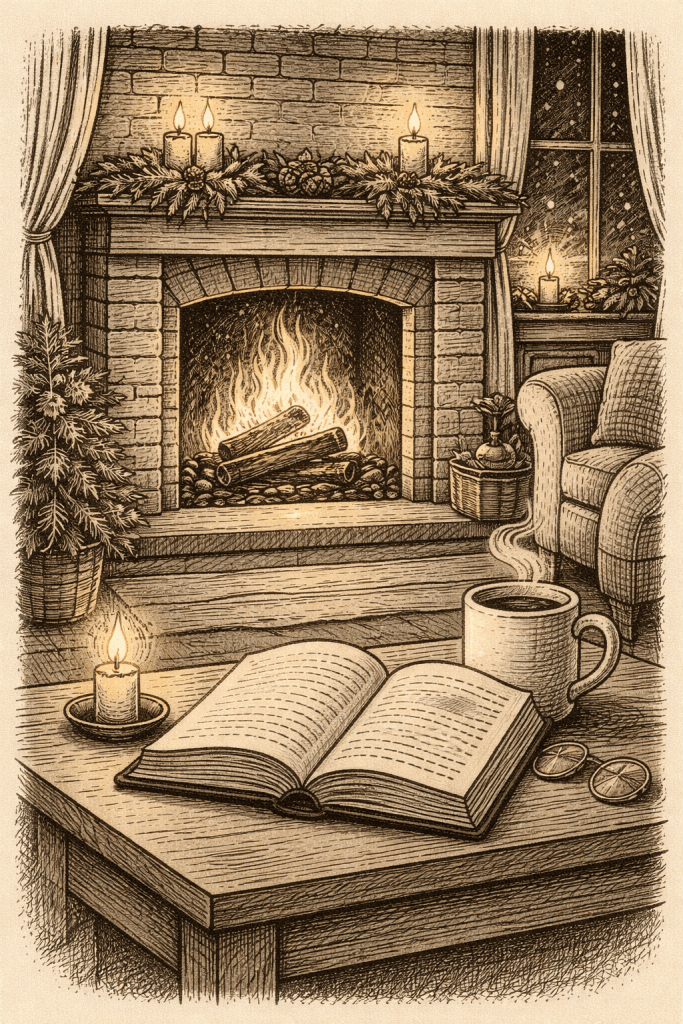
There is a particular kind of reading that belongs to firelight.
Even if you don’t have a real fireplace, you know the feeling. A single lamp turned low. Shadows moving softly across the room. The sense that the day has finally loosened its grip. Fireplace fiction is not about flames — it’s about atmosphere.
I discovered this kind of reading one winter evening when the house felt unusually quiet. The lamp was warm rather than bright. Outside, the night pressed close to the windows. I opened a book almost absent-mindedly — and found myself reading more slowly than usual, lingering over sentences, letting the mood seep in before the plot did.
That is the magic of fireplace fiction:
It invites immersion rather than momentum.
These are the stories that glow rather than dazzle. The ones where place matters deeply. Where weather, interiors, and silence play supporting roles. They are books that seem to say, Stay here. There’s no need to rush.
Fireplace fiction pairs beautifully with winter because both ask the same thing of us: attention. Not frantic focus, but gentle presence. The kind that notices how the room feels. How the language sounds. How time stretches when we stop trying to fill it.
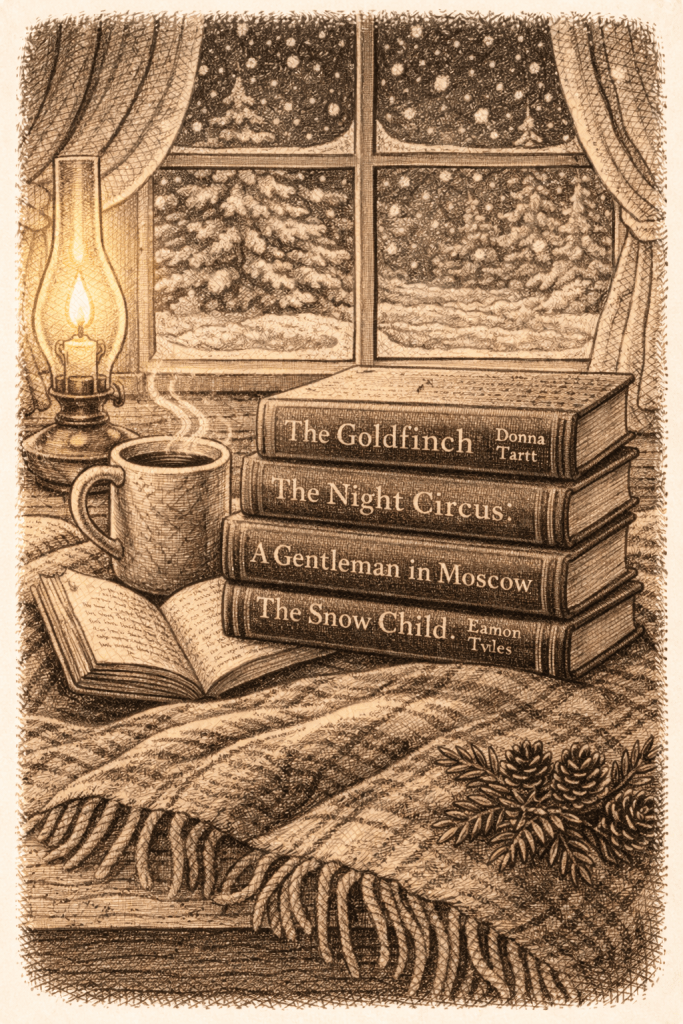
Today, on Day Eight of our Jolabokafloð Advent Calendar, I invite you to create your own Fireplace Fiction Night. Light a candle. Lower the lights. Let the outside world fall back just a little — and step into a story that knows how to glow.
Murder on the Orient Express — Agatha Christie: The world’s greatest detective, Hercule Poirot, must identify the prime suspects from among the small but disparate group of remaining passengers– before the murderer decides to strike again.
The Winter People – Jennifer McMahon: Simmering psychological thriller about ghostly secrets, dark choices and the unbreakable bond between mothers and daughters.











 Jolabokaflod