
What is the origin story of the Advent calendar?

The tradition of advent calendars can be traced back to Germany in the 19th century. The word “Advent” comes from the Latin word “adventus,” which means “coming” or “arrival.” Advent calendars were created as a way for Christians to mark the 24 days leading up to Christmas, which is the celebration of the birth of Jesus Christ. It served as a way to build anticipation and prepare spiritually for the Christmas season.
The earliest advent calendars were simple chalk lines drawn on doors or walls, with a chalk mark made each day to count down to Christmas. Eventually, this practice evolved into the use of candles, where a new candle would be lit each day. The modern advent calendar, as we know it today, with small doors or compartments containing hidden treats or pictures, emerged in the early 20th century.
Interesting anecdotes about Advent calendars

- Invention of the first printed Advent calendar: In the early 20th century, a German named Gerhard Lang is often credited with producing the first printed advent calendar. He was inspired by a childhood memory of a calendar his mother made for him with 24 small candies attached to a piece of cardboard.
- Religious and secular Advent calendars: While advent calendars have their origins in the Christian tradition of counting down to Christmas, many modern advent calendars are secular and may contain chocolates, toys, or other small gifts. Some advent calendars even feature popular non-religious symbols like Santa Claus.
- Variety of designs: Advent calendars come in a wide variety of designs and themes. Some are traditional, featuring nativity scenes and religious imagery. Others may showcase winter scenes, Santa Claus, or beloved characters from books and movies. There are even DIY advent calendars that people create with personalized themes.
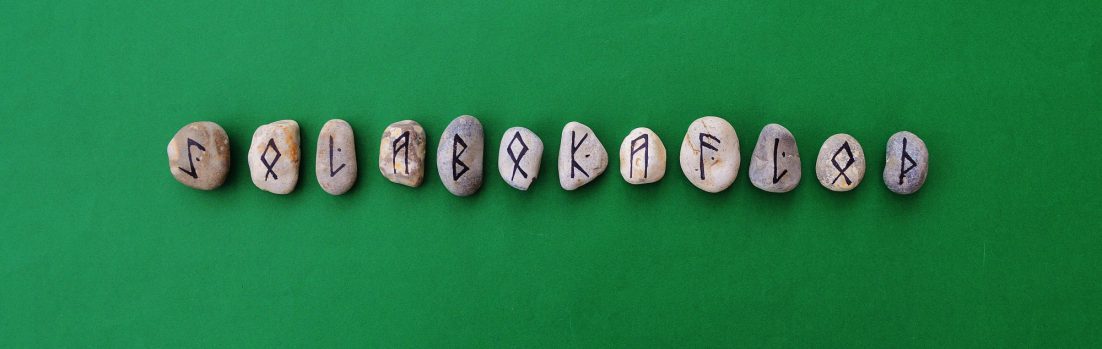
- International appeal: The use of advent calendars has spread beyond Germany and is now popular in many countries around the world. Each culture may have its unique take on the tradition. For example, in Sweden, it’s common to have an advent candle, and in Iceland, there’s a tradition of giving books on Christmas Eve, which aligns with the advent season.
- Advent calendar records: In 2007, a Guinness World Record was set for the largest advent calendar. It was created in the UK and measured over 71 meters in length, with each day’s door measuring about 3.5 meters high.
- Advent calendars in pop culture: Advent calendars have made their way into pop culture, with many companies producing special advent calendars featuring products like makeup, skincare, and gourmet foods. These calendars have become highly sought-after collector’s items.
- Charity Advent calendars: Some advent calendars are designed to promote charitable giving. Instead of receiving gifts or chocolates, each day may reveal a charitable act or donation to be made, encouraging kindness and generosity during the holiday season.

In a nutshell
Advent calendars have evolved over the years from simple chalk marks to complex and creative designs. They continue to be a beloved tradition that brings joy and anticipation to the Christmas season for people of all ages, both for religious and secular celebrations.
 Iceland celebrates the First Day of Winter every year (Fyrsti Vetrardagur), marking the beginning of Gor, the first winter month in the Old Norse calendar. Viking culture recognised two seasons – summer and winter – that matched changing daylight hours giving a rhythm to farming. In the Arctic Circle, the cycle of the seasons leads to long summer days and long winter nights.
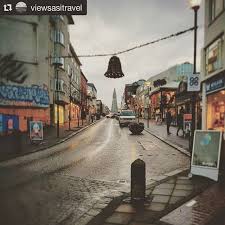 In Reykjavík, the occasion is marked by restaurants on one of the main shopping streets,
  Jolabokaflod