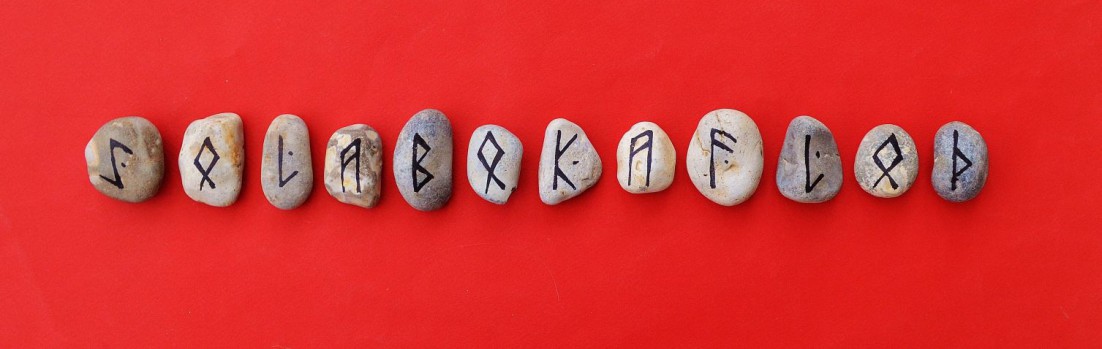

In 75 years of celebrating Jólabókaflóðið in Iceland, never has there been a greater need for ‘The Christmas Book Flood’ than this holiday season in 2020. As the pandemic lingers throughout the world, reading for pleasure gives all of us (Icelanders included) the opportunity to escape our social isolation, whether or not we are in lockdown where we are living.
This evening, people in Iceland have celebrated their main Christmas meal, perhaps drinking Jólabland (a traditional mix of brown ale and fizzy orangeade), exchanging presents – with books a highlight, chosen from this year’s Bókatíðindi catalogue of new titles – and snuggling down to read their new gifts over the holidays as the perfect way of leaving the stresses of life behind for a while.
Here at Jolabokaflod CIC, 2020 has been a year of preparation for the future. We had to pivot from our plans for the year when the first lockdown in the UK took hold in March. While we have not promoted Jólabókaflóðið visibly in 2020, this year of fallow times has given us the chance to prepare for a coming period of activity for everyone to see once the forthcoming vaccination program allows. We have not been idle behind the scenes.
So, let’s life a glass of Jólabland to celebrating Christmas this year in the best way we can and raise a toast for the promise of the New Year. We are exciting about starting to share our plans for 2021 very soon.
 Today is World Social Media Day, which marks the last day of the Winter 2019 edition of Jolabokaflod CIC’s
  It’s World Book Day in the UK: a time to remind ourselves about the universal greatness of books.
 Drum roll, please….
 All of the 20 eligible entries received for our
  Here is our press release about a new competition to promote
  An international panel of book-trade experts will judge the eligible entries. A shortlist of potential winners will be announced on New Year’s Day with the winner revealed on 6 January 2020 (Twelfth Night).
 Iceland celebrates the First Day of Winter every year (Fyrsti Vetrardagur), marking the beginning of Gor, the first winter month in the Old Norse calendar. Viking culture recognised two seasons – summer and winter – that matched changing daylight hours giving a rhythm to farming. In the Arctic Circle, the cycle of the seasons leads to long summer days and long winter nights.
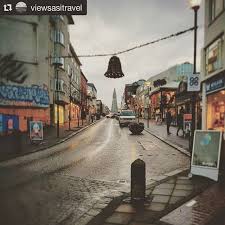 In Reykjavík, the occasion is marked by restaurants on one of the main shopping streets,
 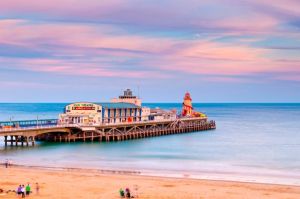 The Spring Bank Holiday Monday is drawing to a close in the UK, traditionally a time when people first venture to the seaside in the knowledge that summer is just around the corner. National days leave in Britain are so called due to the tradition that banks are closed for business on these days, a custom harking back to the late 19th century when clerks needed branch closure time to update accounts and tally bookkeeping. Nowadays bank holidays are retained to give tired workers a decent break to relax and recover from the stress of life over long weekends and the opportunity to enjoy extra leisure time.
 Never one to miss an opportunity to make analogies, today – 5 May – is
  According to Ananthanarayanan V (Founder and CEO:
